🕓 Last updated: September 21, 2025
How to Remove Pet Stains from Carpet: A Complete Guide
Carpets make a home cozy, but if you have pets, they also become a magnet for accidents. Whether it’s a puppy learning the ropes, a cat marking territory, or an older pet with health issues, stains and odors can quickly turn a carpet into a headache. The good news? With the right techniques, you can not only clean the spot but restore freshness. This guide walks you through everything you need to know about how to remove pet stains from carpet from immediate cleanup to advanced odor removal and prevention.
1. What Causes Pet Stains and Why They Can Be Tough to Remove
The chemistry behind pet urine & carpet fibers
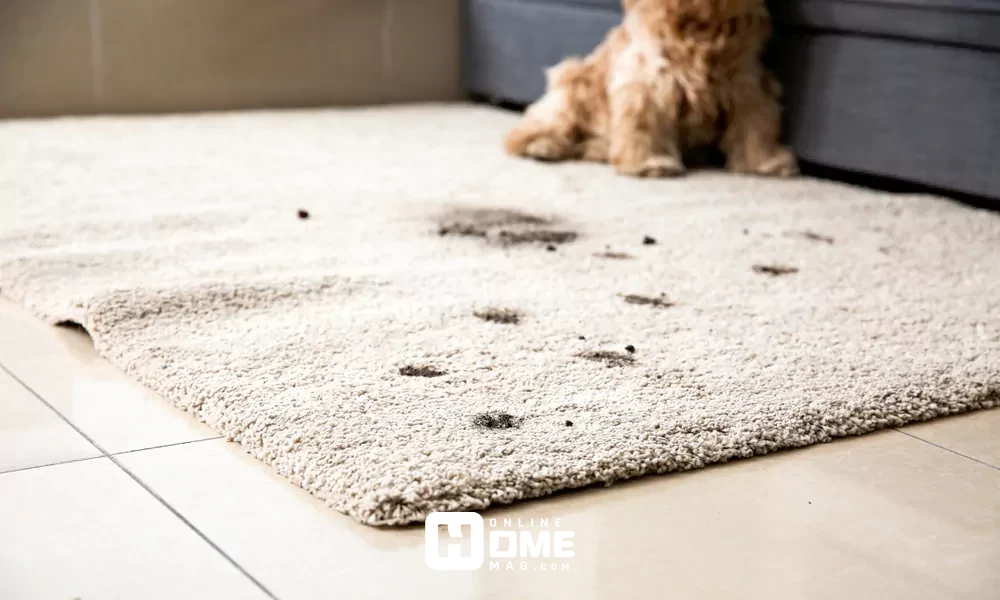
Pet urine isn’t just water. It contains urea, salts, proteins, and uric acid crystals. Once urine dries, those crystals bond tightly to carpet fibers and even penetrate the padding beneath. That’s why stains can reappear after you thought they were gone, and why odors persist.
How different carpet materials respond to stains
- Wool and natural fibers: absorb liquid quickly, making them difficult to clean but more odor-resistant once treated.
- Nylon and polyester: are durable but can hold onto smells.
- Low-pile carpets: are easier to clean, while thick plush or Berber styles trap moisture deep inside.

2. Act Fast: First Steps When a Pet Accident Happens
Blotting vs rubbing: what to do immediately
The single most important rule: never rub. Instead, blot gently with paper towels or a clean cloth, working from the outside toward the center. This prevents spreading the stain deeper into the fibers. The same principle applies when you Clean Wooden Floors — gentle blotting protects the surface without causing scratches or spreading the mess further.
Removing solids and excess moisture safely
If the accident involves solids, use a spoon or scraper to lift it carefully. For liquids, press down with towels until most of the moisture is absorbed. Avoid hot water at this stage, as heat can set the stain permanently.
Spot test before using any cleaner
Before applying any product, test it on a hidden corner. Different carpets react differently, and a quick test prevents accidental bleaching or discoloration.
3. DIY Solutions vs Store-Bought Cleaners: What Works Best
Ingredients to look for in effective cleaners
- Enzyme cleaners: Break down organic matter and uric acid crystals.
- Oxygen-based cleaners: Release oxygen to lift stains without harsh chemicals.
- Mild detergents: Useful for surface cleaning and fresh stains.
Homemade remedies: vinegar, baking soda, hydrogen peroxide
- Vinegar solution (1:1 vinegar and water): Neutralizes ammonia odor and loosens stains.
- Baking soda: Excellent for absorbing moisture and odors.
- Hydrogen peroxide (3%): Brightens and disinfects but should be used carefully on light carpets.
Comparing DIY and commercial products
DIY remedies are inexpensive and safe if used correctly. However, enzyme cleaners sold in pet stores often outperform home mixes, especially for old urine stains.

4. Specialized Removal Methods for Urine, Vomit, and Feces
Treating urine stains: enzyme cleaners & neutralizers
For urine, apply an enzyme-based cleaner generously and let it sit for 10–15 minutes. Blot again and allow the carpet to air dry. This neutralizes uric acid, preventing odor from returning.
Vomit or feces: removing solids then cleaning the residue
- Remove as much solid matter as possible.
- Blot remaining moisture.
- Apply mild detergent or vinegar solution.
- Rinse lightly with water and blot dry.
Dealing with colored pet stains (blood, food, dye)
For protein-based stains like blood, cold water and hydrogen peroxide work best. Colored stains from food dyes may need oxygen cleaners or professional products designed for dye removal.
5. Removing Old or Set-In Pet Stains: Advanced Techniques
Steam cleaning vs hot water extraction
Steam cleaners can sometimes set stains, but hot water extraction (often used by professionals) pulls moisture and debris deep from fibers and padding. If you rent or own a machine, use a solution formulated for pet stains, and make sure it’s also safe for laminate floor cleaning to avoid damaging the surface.
Using oxidizers or professional-strength treatments
For tough stains, oxygen bleach powders or concentrated enzymatic solutions can break down residue. Always follow manufacturer instructions and never mix cleaning chemicals.
Drying & fiber recovery
After deep cleaning, speed up drying with fans or open windows. Brush the carpet pile once dry to restore texture.
6. Odor Removal: How to Get Rid of Smell, Not Just the Stain
Why odor lingers even after stain is gone
Even if the surface looks clean, urine can soak through to the pad and subfloor, where bacteria thrive. This trapped odor is what pets often detect, leading to repeat accidents.
Effective odor neutralizers and treatments
- Baking soda overnight treatment: Sprinkle generously, let sit, and vacuum.
- Enzymatic odor neutralizers: Target uric acid crystals directly.
- Activated charcoal bags: Help absorb lingering smells in the room.
7. Preventing Future Pet Stains & Protecting Your Carpet
Using carpet protectors & sealants
Spray-on protectants create a barrier that makes it harder for liquids to penetrate fibers, giving you more time to act.
Training pets and establishing “accident zones”
Consistency is key:
- Take pets outside or to a litter box regularly.
- Reward correct behavior.
- Use deterrent sprays to discourage accidents in certain areas.
Regular maintenance: vacuuming and spot checks
Vacuum weekly, and do quick spot checks daily in pet zones. Immediate attention to small spills prevents bigger problems.
8. When to Call the Pros: Deep Cleaning & Carpet Repair
Signs a stain is permanent or fiber damage
If you’ve tried multiple treatments and still see discoloration or smell odor, it may have reached the pad or subfloor.
What services professional cleaners offer
- Hot water extraction
- Specialized pet odor removal treatments
- Carpet patching or repair for severe damage
Cost vs benefit: what you get for the price
While professional cleaning may cost $150–$300 per session, it can restore carpets you’d otherwise replace a major long-term saving.