
🕓 Last updated: November 2, 2025
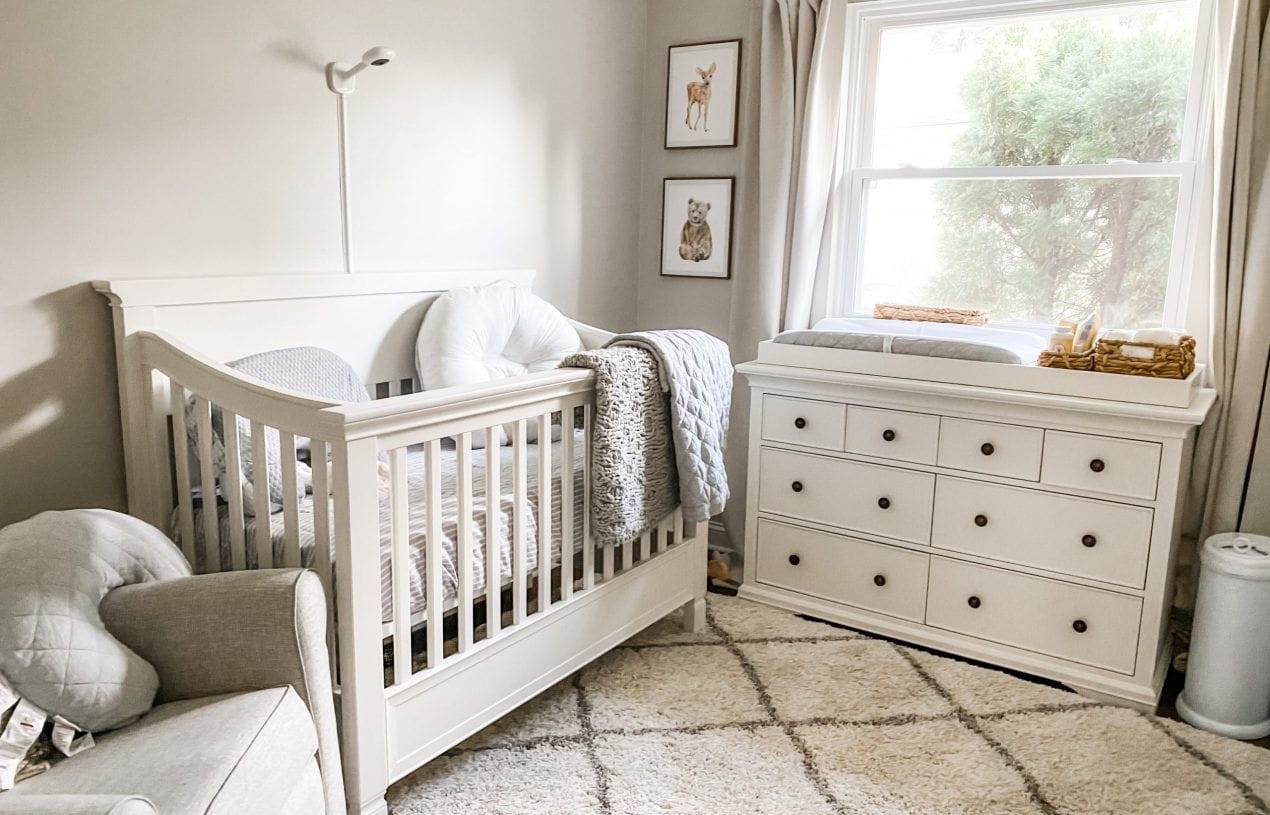
With the right ideas and a bit of creativity, you can turn a compact space into a beautiful and practical baby room. In this article, we’ll explore 12 valuable tips to help you get started on designing a small baby room that meets your needs. For more design inspiration and expert advice, be sure to check out Online Home Mag, where we share the latest trends and practical solutions for every home.
Key Takeaways
- Optimize your nursery layout for maximum space efficiency.
- Choose multi-functional furniture for a clutter-free environment.
- Utilize vertical space with wall-mounted storage solutions.
- Select a soothing color palette to create a calming atmosphere.
- Incorporate smart lighting to enhance the ambiance.

Understanding Small Nursery Challenges and Opportunities
Small nurseries, while challenging, offer a unique chance to optimize space and create a cozy environment for your baby. The key to a successful small nursery design lies in understanding both the challenges and the opportunities that come with limited space.
One of the primary challenges of designing a small nursery is the need to accommodate all the necessary elements, such as a crib, changing table, and storage, within a limited footprint. However, this constraint can also be an opportunity to think creatively about space-saving solutions and to prioritize the most essential elements. By focusing on the essentials for a kids room, such as functional furniture, efficient storage, and comfortable lighting, you can create a space that is both practical and welcoming for your baby.
Why Small Baby Rooms Can Actually Be Advantageous
Small baby rooms can be advantageous for several reasons. Firstly, they require a more thoughtful and intentional approach to design, which can result in a more functional and efficient space. Secondly, smaller rooms can be less overwhelming for both parents and baby, creating a cozier and more intimate environment.
Additionally, small nurseries can be more budget-friendly, as they require fewer resources and less material to furnish and decorate. This can be particularly beneficial for parents who are on a budget or who prefer a more minimalist aesthetic.
| Advantages of Small Baby Rooms | Benefits |
|---|---|
| Encourages Creative Design | Fosters innovative space-saving solutions |
| Cozy Environment | Less overwhelming for parents and baby |
| Budget-Friendly | Requires fewer resources and less material |
Setting Realistic Expectations for Your Space
When designing a small nursery, it’s essential to set realistic expectations about what can be achieved within the available space. This involves carefully measuring the room, identifying the essential elements that need to be included, and prioritizing the most critical features.
By setting realistic expectations, parents can avoid feeling overwhelmed by the design process and can instead focus on creating a beautiful and functional space that meets their needs.
To achieve this, consider creating a list of must-haves versus nice-to-haves, and be prepared to make compromises where necessary. This will help ensure that the nursery is both functional and enjoyable for both parents and baby.
Tip 1: Create a Functional Floor Plan
To make the most of a small nursery, it’s essential to create a functional floor plan that meets your baby’s needs. A well-designed nursery not only enhances the aesthetic appeal of the room but also ensures that the space is used efficiently and safely.
Measuring and Mapping Your Available Space
The first step in creating a functional floor plan is to measure and map your available space accurately. Use a tape measure to record the dimensions of the room, including the location of doors, windows, and any architectural features. Then, sketch out a basic floor plan, taking note of the scale. This will help you visualize the layout and make informed decisions about furniture placement and storage solutions.
When measuring, consider the “work triangle” concept used in kitchen design. Adapt this idea to your nursery by thinking about the key areas you’ll be using frequently, such as the crib, changing table, and storage for diapers and clothes. Ensuring these areas are easily accessible and well-organized will make a significant difference in the functionality of the room.
Identifying Essential Zones in Your Nursery
Every nursery can be divided into essential zones that cater to different needs. These typically include a sleeping zone (crib), a changing zone (changing table), and a storage zone (closet or dresser). By identifying these zones, you can plan the layout to minimize movement and maximize convenience, especially during nighttime when visibility is limited.
- Sleeping Zone: Ensure the crib is placed in a quiet, draft-free area.
- Changing Zone: Position the changing table near storage for diapers and supplies.
- Storage Zone: Optimize closet space with shelves and hanging organizers.
Traffic Flow Considerations for Middle-of-Night Access
Considering traffic flow is crucial, especially for middle-of-the-night access to your baby. You want to be able to tend to your baby’s needs without disturbing them or other family members. Plan the layout so that you can move easily between the essential zones without obstruction. For instance, ensure there’s a clear path from the door to the crib.
As noted by interior design experts, “A well-planned nursery should balance functionality with aesthetics, creating a serene environment that promotes rest and relaxation for both baby and parents.”
“A nursery should be designed with both the baby’s and the caregiver’s needs in mind, ensuring ease of use and safety.” – Interior Design Expert
Tip 2: Choose Space-Saving Furniture
In small baby rooms, the key to a functional and stylish space lies in choosing space-saving furniture. By opting for furniture that is designed to maximize space, you can create a nursery that is both comfortable and efficient.
Mini and Convertible Crib Options
One of the most significant pieces of furniture in any nursery is the crib. For small spaces, mini cribs and convertible cribs are excellent options. Mini cribs are smaller than standard cribs, making them perfect for compact rooms. Convertible cribs, on the other hand, can transform from a crib to a toddler bed and sometimes even to a daybed, providing long-term value.
Some popular mini and convertible crib options include:
- Cradlepoint Mini Crib
- DaVinci Kalani Convertible Crib
- Pottery Barn Kids Parker Mini Crib
Wall-Mounted or Compact Changing Solutions
Changing tables are another essential piece of furniture in a nursery. For small spaces, wall-mounted changing tables or compact changing stations can be very effective. These solutions not only save floor space but also provide a safe and convenient area for changing diapers.
A comparison of different changing solutions is provided in the table below:
| Changing Solution | Space-Saving Features | Additional Storage |
|---|---|---|
| Wall-Mounted Changing Table | Saves floor space, foldable | Often includes shelves or cabinets |
| Compact Changing Station | Narrow design, can be placed against a wall | May have drawers or baskets underneath |
| Changing Pad on Dresser | Utilizes existing furniture, no extra footprint | Dresser drawers provide ample storage |
Multipurpose Furniture That Grows with Your Child
Multipurpose furniture is a great investment for small nurseries. Pieces like storage ottomans, glider rockers with storage, and convertible dresser-to-changer units can serve multiple needs as your child grows. This not only saves space but also reduces the need for frequent furniture replacements.
Examples of multipurpose furniture include:
- Storage Ottoman: Can be used for storing toys and as a seating option.
- Glider Rocker with Storage: Provides a comfortable feeding spot and storage for baby essentials.
- Convertible Dresser-to-Changer: Serves as both a changing station and a dresser, adapting as your child grows.
By incorporating these space-saving furniture options into your nursery design, you can create a functional, stylish, and comfortable space for your baby to grow and thrive.
Tip 3: Maximize Vertical Storage Space
One of the most effective ways to optimize a small nursery is by maximizing its vertical storage capacity. By doing so, you can keep the floor clear and create a sense of openness, making the room feel larger and more welcoming.
Floating Shelves and Wall Organization Systems
Floating shelves are an excellent way to add storage without taking up valuable floor space. They can be used to store books, decorative items, and even diapers. Wall organization systems, including pegboards and wall-mounted cabinets, offer additional storage for nursery essentials.
When choosing floating shelves, consider the material and design that will best fit your nursery’s decor. You can also add baskets or bins to the shelves to keep items like toys and clothes organized.
Over-Door Organizers and Hanging Storage
Over-door organizers are a clever storage solution that can be used to hang diapers, toys, and other nursery essentials. These organizers are particularly useful in small nurseries where every inch counts. Hanging storage options, such as shoe organizers or hanging cubbies, can also be used to maximize closet space or even the back of a door.
These storage solutions are not only practical but also easy to install and remove, making them perfect for renters or those who like to rearrange their nursery layout.
Utilizing Closet Space Efficiently
A well-organized closet can significantly enhance the functionality of a small nursery. To maximize closet space, consider using stackable shelves, double rods, and shelf dividers. These elements help keep clothes, diapers, and other essentials organized and easily accessible.
| Storage Solution | Benefits | Tips for Implementation |
|---|---|---|
| Floating Shelves | Additional storage without occupying floor space | Choose shelves that match your nursery’s decor; use baskets or bins for organization |
| Over-Door Organizers | Utilizes dead space; easy to install and remove | Select organizers that fit your door size; use for diapers, toys, and other essentials |
| Closet Organization Systems | Maximizes closet space; keeps items organized and accessible | Use stackable shelves, double rods, and shelf dividers; consider custom installations for optimal use |
By implementing these vertical storage solutions, you can create a more organized, functional, and spacious nursery environment that meets your baby’s needs.
Tip 4: Use Color and Light to Create Illusion of Space
The perception of space in a nursery can be significantly enhanced through clever use of color and light. By choosing the right paint colors, strategically placing mirrors, and incorporating layered lighting solutions, you can create a brighter, more spacious nursery.
Best Paint Colors for Small Nurseries
Selecting the right paint color is crucial in making a small nursery feel larger. Soft, neutral tones such as whites, creams, and light grays can help reflect light and create a sense of openness. Consider colors that have a high Light Reflectance Value (LRV) to maximize the feeling of brightness.
Some popular paint color options for small nurseries include:
- Benjamin Moore’s Simply White
- Behr’s Soft Chamois
- Sherwin-Williams’ ProClassic White
| Paint Color | LRV | Effect on Space |
|---|---|---|
| Simply White | 90 | Makes space feel larger and brighter |
| Soft Chamois | 85 | Creates a warm, inviting atmosphere |
| ProClassic White | 88 | Provides a clean, neutral background |
Strategic Mirror Placement
Mirrors can be a powerful tool in creating the illusion of more space. By placing a mirror opposite a window, you can reflect natural light and make the room feel brighter and more spacious. Consider a large mirror or a series of smaller mirrors arranged creatively to enhance the sense of space.
Layered Lighting Solutions
Layered lighting involves using a combination of light sources to create a bright, welcoming environment. This can include a mix of overhead lighting, table lamps, and floor lamps. LED lights are a great option due to their energy efficiency and versatility.
Some effective layered lighting strategies include:
- Using dimmable lights to adjust the ambiance
- Incorporating string lights for a cozy feel
- Placing lamps in corners to brighten dark areas
By implementing these strategies, you can create a nursery that feels more spacious and inviting. Remember, the key is to balance color and light to achieve a harmonious and functional space.
How to Design a Small Baby Room That Adapts as Your Child Grows
A well-planned small baby room can evolve with your child, meeting their changing needs from infancy to toddlerhood. This adaptability is key to creating a space that is both functional and cozy throughout your child’s early years.

Furniture That Transitions from Infant to Toddler Needs
Investing in furniture that can adapt to different stages of your child’s growth is essential. For instance, a convertible crib that transforms into a toddler bed and eventually into a full-size bed is a practical choice. This not only saves space but also reduces the need for frequent furniture replacements.
Key features to look for in adaptable furniture include:
- Convertible designs
- Adjustable heights
- Multi-functional pieces
Flexible Storage Systems
Flexible storage is crucial in a nursery that needs to adapt to a growing child. Using modular storage units that can be rearranged or expanded as needed can help keep the room organized and clutter-free.
Some effective storage solutions include:
- Stackable bins and baskets
- Adjustable shelving
- Under-bed storage
Easily Updatable Decor Elements
Decor elements that can be easily updated as your child grows are vital for maintaining a fresh and engaging environment. This can include wall art, rugs, and curtains that can be changed seasonally or as your child’s tastes evolve.
Choosing a neutral color palette with pops of color that can be easily swapped out is a smart strategy. Additionally, incorporating decorative elements that reflect your child’s current interests can make the space feel personalized and engaging.
Tip 5: Incorporate Smart Storage Solutions
To keep your nursery organized, it’s essential to incorporate smart storage solutions. A clutter-free environment not only looks more appealing, but it also makes caring for your baby more efficient. By utilizing the right storage options, you can ensure that everything has its place, from diapers and toys to clothes and accessories.
Under-Crib Storage Ideas
One often overlooked storage area in the nursery is under the crib. Using under-crib storage can significantly increase your nursery’s storage capacity without taking up additional floor space. Consider using under-crib drawers or storage bins that can slide in and out easily. These can be used to store extra bedding, out-of-season clothes, or even toys.
Double-Duty Furniture with Hidden Storage
Investing in double-duty furniture is another effective way to enhance storage in your nursery. Look for pieces like cribs with built-in drawers, changing tables with storage compartments, or gliders with hidden pockets. For example, a storage ottoman can serve as both a comfortable seating option and a place to stash toys or blankets.
- Cribs with built-in storage
- Changing tables with shelves
- Gliders with storage compartments
Rotating Seasonal Items Strategy
To maintain a clutter-free nursery, consider implementing a rotating seasonal items strategy. Store out-of-season clothes, toys, and decor in labeled bins or containers. As the seasons change, rotate these items in and out to keep the nursery fresh and relevant. This approach not only saves space but also keeps the nursery organized and easy to navigate.
| Season | Items to Store | Storage Solutions |
|---|---|---|
| Winter | Warm clothing, winter-themed decor | Labeled bins under the crib or in the closet |
| Summer | Light clothing, summer toys | Storage bins on shelves or in labeled baskets |
By incorporating these smart storage solutions, you can create a nursery that is both functional and beautiful. Remember, the key is to be intentional with your storage choices and to keep the items you use most frequently easily accessible.
Tips 6-9: Design Elements That Maximize Small Spaces
Effective design in small baby rooms involves making the most of every element, from window treatments to decor. By focusing on specific design aspects, you can create a cozy and functional space that meets your baby’s needs.
Tip 6: Choose Appropriate Window Treatments
Window treatments can significantly impact the perceived size of a room. Light and airy curtains can make a room feel larger, while heavy drapery can make it feel more enclosed. Consider using roller shades or plantation shutters, which can be adjusted to control light and provide privacy without taking up too much space.

Tip 7: Select a Space-Enhancing Rug
A well-chosen rug can enhance the sense of space in a small nursery. Opt for a rug with a light color and a simple pattern to create a sense of openness. Ensure the rug is proportional to the room and furniture to maintain balance.
Tip 8: Install Space-Saving Door Options
Traditional swinging doors can consume valuable space in small rooms. Consider installing pocket doors or sliding doors, which can save floor space and improve traffic flow. These door options can also add a modern touch to the nursery.
Tip 9: Create Visual Continuity with Thoughtful Decor
Visual continuity is key to making a small space feel larger. Choose a consistent color scheme and apply it to walls, furniture, and decor to create a cohesive look. Use decorative elements like artwork or mobiles to add visual interest without cluttering the space.
| Design Element | Space-Saving Tip | Benefit |
|---|---|---|
| Window Treatments | Use light and airy curtains | Makes room feel larger |
| Rug | Choose a light-colored rug | Creates sense of openness |
| Door Options | Install pocket or sliding doors | Saves floor space |
| Decor | Use a consistent color scheme | Creates visual continuity |
By implementing these design elements, you can maximize the space in your small baby room, creating a comfortable and functional environment for your child to grow and thrive.
Tips 10-12: Practical Considerations for Small Nurseries
Beyond aesthetics, several practical considerations can make or break the functionality of a small nursery. While it’s essential to create a beautiful space for your baby, it’s equally important to ensure that the nursery is safe, comfortable, and functional.
Tip 10: Ensure Proper Ventilation and Air Quality
Proper ventilation and air quality are crucial in a nursery, as babies are more susceptible to air pollutants. To achieve good air quality, consider installing a HEPA air purifier or ensuring that your nursery has a window that can be opened for fresh air. Regularly check and replace air filters in your HVAC system to prevent the circulation of dust and allergens.
Tip 11: Create Safe Pathways and Secure Furniture
Safety is paramount in a nursery. To prevent accidents, ensure that pathways are clear and that furniture is securely anchored to walls. Use anti-tip brackets or straps to secure heavy furniture like dressers and bookshelves. Additionally, consider using cordless window treatments to eliminate tripping hazards.
Tip 12: Implement a Regular Decluttering System
A clutter-free nursery is not only more visually appealing but also safer and more functional. Implement a regular decluttering system by setting aside time each week to tidy up. Use storage bins and baskets to keep toys and essentials organized, and consider a “one in, one out” policy to prevent clutter from building up.
By following these practical tips, you can create a small nursery that is both beautiful and functional, providing a safe and nurturing environment for your baby to grow and thrive.
Conclusion: Creating a Cozy and Functional Small Baby Room
Designing a small baby room can be both a challenge and an opportunity to think creatively. With the right approach, you can turn a compact space into a cozy, functional, and stylish haven for your little one. By prioritizing essential furniture, optimizing storage solutions, and utilizing the right lighting and colors, you can maximize every inch of the room. Focus on versatility and adaptability in your choices—furniture that grows with your child, clever storage to reduce clutter, and design elements that enhance comfort and safety will create an environment where both baby and parents can thrive.
Ultimately, the key to designing a small baby room is striking the right balance between functionality and aesthetics. By incorporating thoughtful design, space-saving ideas, and personal touches, you’ll create a space that’s not only practical but also full of warmth and love. For more tips and inspiration, check out Online Home Mag, your go-to resource for home design and organization ideas.