

Standard Coffee Table Size Guidelines
When selecting the Right Coffee Table Size, it helps to start with standard measurements that designers often recommend. On average, most coffee tables are between 16 to 18 inches tall, which aligns comfortably with the height of most sofas. The length is typically about two-thirds the size of your sofa, creating a balanced look without overwhelming the seating area.
Width and depth also matter. Standard coffee tables usually measure 18 to 24 inches wide, giving enough surface area for books, trays, or décor while still leaving room to move around. These proportions are not strict rules but guidelines to ensure your table works with the overall scale of your furniture.
By following these measurements, you avoid common mistakes such as choosing a table that is too large for your space or too small to be functional. Starting with standard sizing makes it easier to adapt the table to your specific layout and lifestyle needs.

How Tall Should My Coffee Table Be?
A key part of finding the Right Coffee Table Size is choosing the correct height. The ideal coffee table should sit level with or just one to two inches lower than your sofa cushions. This creates a comfortable reach for placing drinks, books, or décor without straining or feeling awkward.
If your table is too tall, it can overpower the sofa and disrupt the flow of the room. Too short, and it may look out of proportion or feel impractical for everyday use. For most living rooms, this means a height range of 16 to 18 inches, though larger sofas may work best with tables closer to 20 inches.
Matching height to your seating ensures the coffee table feels integrated rather than separate. It’s not just about appearance—correct height supports functionality, comfort, and overall harmony in your living space.
How Much Space Do You Need Around a Coffee Table?
Finding the Right Coffee Table Size isn’t only about the table itself—it’s also about the space around it. A well-placed coffee table should allow for easy movement while keeping everything within reach. Interior designers recommend leaving about 16 to 18 inches of clearance between the edge of your sofa and the coffee table. This ensures enough walking space without stretching too far to grab items.
For larger living rooms, you can extend that distance to 20–24 inches for a more open feel, while smaller rooms may need tighter spacing. The goal is to balance comfort, accessibility, and aesthetics so the table feels naturally integrated with your seating arrangement.
Quick spacing tips:
- Leave 16–18 inches between sofa and table for comfort.
- Allow 24–30 inches between the coffee table and TV stand or wall.
- Keep enough room for traffic flow without overcrowding the layout.
The Best Size Coffee Table for Small Living Rooms
Choosing the right coffee table for small room layouts is especially important, where every inch of space matters. The key is to select a table that provides functionality without overwhelming the layout. Round and oval shapes often work best in compact spaces because they improve flow and eliminate sharp corners, making the room feel larger and safer.
In terms of dimensions, look for tables that are about half the length of your sofa, leaving enough room for movement around the piece. Slim profiles, nesting tables, or lift-top storage coffee tables are excellent options since they maximize usability while minimizing bulk. Clear materials like glass or acrylic can also visually expand the room.
The goal is to create a centerpiece that feels proportional and practical, offering surface space without crowding your seating arrangement.
Smart picks for small spaces:
- Round or oval coffee tables
- Nesting or two-tier designs
- Glass or acrylic finishes for an airy look
Factors to Consider When Choosing a Coffee Table Size
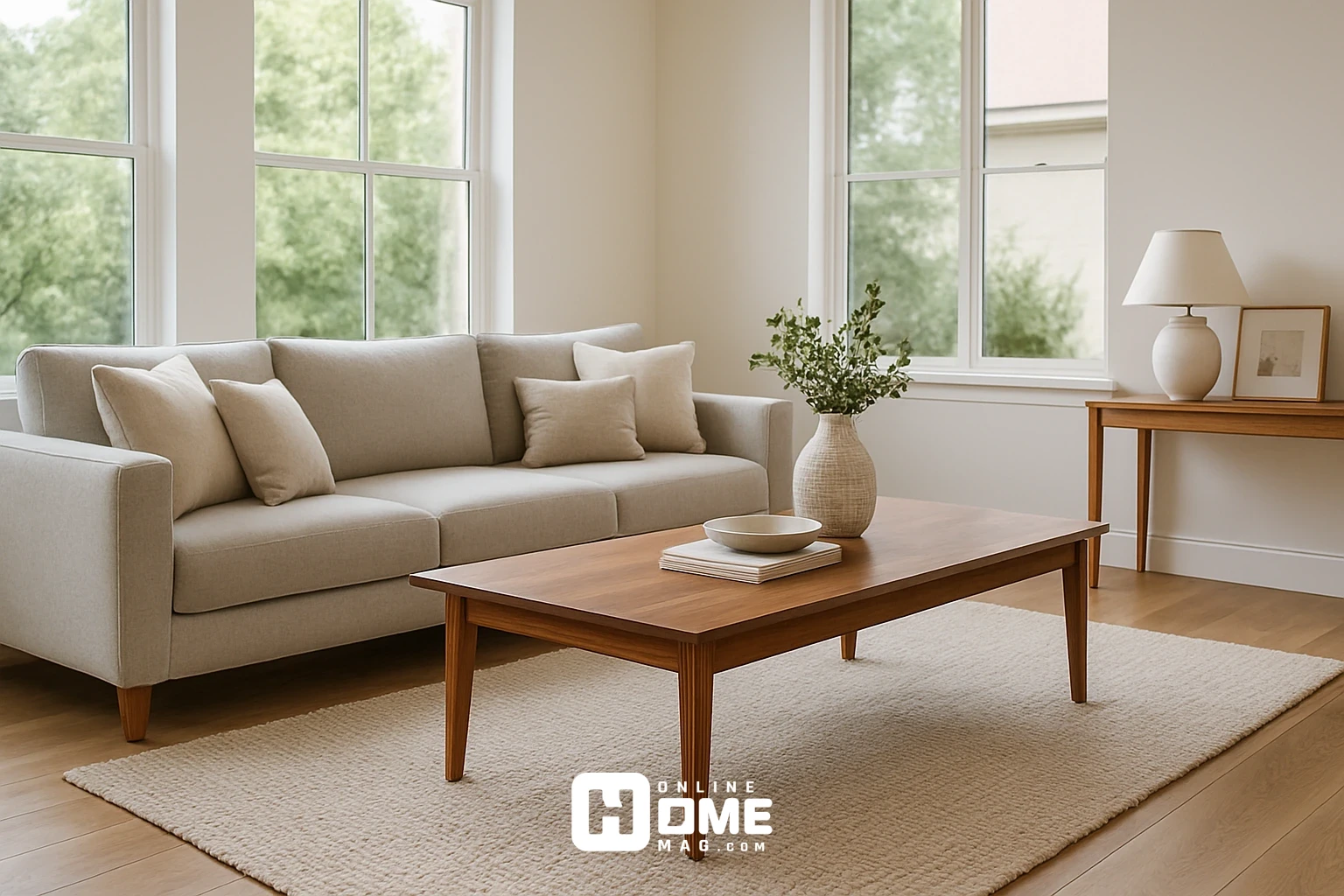
The Right Coffee Table Size depends on more than just standard measurements. Every living room has unique needs, so it’s important to consider proportions, style, and function before deciding. Start with your sofa size—your coffee table should typically be about two-thirds its length for proper balance. Height matters too, ideally matching or sitting slightly below your seating cushions for comfort.
Your lifestyle also plays a role. Families may prefer larger tables with extra surface area, while minimalists might lean toward compact, streamlined designs. Don’t overlook your décor style either—a bold statement piece can anchor a large room, while smaller, subtle options keep a cozy space from feeling crowded.
Material and shape also affect how the table fits into your layout. For instance, glass tops make rooms feel open, while wood or marble create a more grounded presence.
Key factors to check:
- Sofa length and seating arrangement
- Preferred height for comfort and style
- Lifestyle needs: storage, surface area, or minimalism
Positioning With Sofa and Other Furniture
Finding the Right Coffee Table Size is only effective when the table is positioned correctly in relation to your sofa and other furniture. The coffee table should feel like a natural centerpiece, aligned with the middle of your sofa or sectional to create visual harmony. Keeping a balanced distance between chairs, side tables, and pathways ensures the table supports the flow of the room rather than obstructing it.
Proportion plays a big role here. If your sofa is long and paired with armchairs, a rectangular table usually creates balance. For a smaller loveseat or compact layout, a round or square table often fits better without overwhelming the space. Always allow enough space for people to move around comfortably, while keeping the table close enough to serve its purpose. With thoughtful placement, the coffee table connects seating and décor, completing the living room’s arrangement with style and function.
Can a Coffee Table Be Higher Than a Sofa or Couch?
When considering the Right Coffee Table Size, many people wonder if a coffee table can be higher than the sofa or couch. While design guidelines generally recommend a table that is level with or slightly lower than your seating cushions, there are exceptions. A table that is one to two inches higher can work in certain situations, especially if the space is used frequently for dining, working, or writing.
However, going too high can disrupt proportions and make the setup feel awkward. The coffee table should enhance comfort, not compete with the sofa. In modern interiors, balance is key—the table must serve its function while blending seamlessly with the rest of the room. If you choose a higher design, consider pairing it with a slim profile or lighter material so it doesn’t overwhelm the seating area. Ultimately, the decision depends on how you use the space and your preferred style.
Common Mistakes to Avoid When Choosing Coffee Table Size
Even when following guidelines, many homeowners struggle to find the Right Coffee Table Size because of a few common mistakes. One of the biggest errors is choosing a table that’s too large, which crowds the room and restricts movement. On the other hand, picking a table that’s too small makes the seating area feel incomplete and less functional.
Another frequent mistake is ignoring sofa proportions. If the table doesn’t match the length or height of the seating, it can look awkward and feel uncomfortable to use. Some also forget to account for traffic flow, placing the table too close to walls, chairs, or entertainment units.
Style can’t be overlooked either—a bold, oversized design in a compact space often disrupts balance. By avoiding these pitfalls and focusing on proportion, clearance, and harmony with other furniture, you’ll ensure your coffee table enhances both style and usability in your living room.
Style and Shape Considerations for the Right Coffee Table Size
Finding the Right Coffee Table Size isn’t just about numbers—it’s also about style and shape. The form of your table plays a big role in how the room feels and functions. Rectangular and oval tables work well with long sofas, offering ample surface area and complementing linear seating arrangements. Round or square tables, on the other hand, bring balance to smaller rooms and improve movement flow by eliminating sharp edges.
The style of the table also affects how size is perceived. A glass or acrylic table may look lighter and more spacious than a solid wood or marble design of the same dimensions. Minimalist tables blend easily into modern layouts, while bold statement pieces can anchor large spaces when scaled properly.
By considering both shape and style alongside standard measurements, you’ll create a coffee table setup that feels cohesive, comfortable, and perfectly tailored to your living room.