

Why Convert Your Garage Into a Gym?
Before diving into the how to, let’s talk about the why. When you convert garage into gym space, you’re not just adding square footage you’re building a lifestyle. There’s no commute, no membership fees, and no waiting for equipment. Your workout is steps away, always available, fully customized to your goals. A garage gym conversion can serve the whole family from cardio enthusiasts to powerlifters to yoga practitioners. You design the layout, the vibe, and the gear. Train on your schedule, your way, with complete privacy and focus.
Step 1: Plan Your Garage Gym Conversion
Every successful garage gym conversion starts with a solid plan. Before buying a single piece of equipment, measure your space and define your goals clearly.
A standard single car garage (roughly 10×20 feet or about 18 square meters) is enough for a solid home gym. A double garage gives you even more flexibility. Ceiling height matters too , you’ll need at least 8 feet (2.4 meters) for overhead movements like pull ups or kettlebell swings. Think about whether this will be a solo gym or used by multiple people, whether you prefer strength training, cardio, or a mix, and whether you need to keep part of the space for parking.
Setting a realistic budget is equally important. A basic garage into gym setup can start as low as $500 to $1,000. A mid range build runs $2,000 to $5,000. A premium setup with commercial-grade equipment can exceed $10,000. Plan around your priorities, not around trends.

Step 2: Prepare the Space
This is the unglamorous but essential phase of your garage gym conversion. Skipping these steps leads to regret later.
Insulation and Temperature Control
Garages are rarely insulated properly. In summer they become ovens, in winter they turn into freezers. Adding insulation to walls, ceiling, and the garage door dramatically improves comfort and protects your equipment from humidity and rust. Rigid foam boards are affordable and DIY-friendly. Spray foam insulation delivers the best performance at a higher cost. For climate control, a mini split HVAC unit is the gold standard , it heats and cools efficiently without taking up floor space. A portable fan or space heater can work for tighter budgets.

Flooring That Can Take the Punishment
Bare concrete is hard on your joints, cold in winter, and slippery when wet. The right flooring transforms your garage into gym space that feels professional and safe. Rubber flooring is the most popular choice for a garage gym conversion , it absorbs impact, protects your concrete, reduces noise, and handles heavy weights without cracking. Interlocking rubber tiles (typically 3/4 inch thick) are easy to install yourself and cost effective. For weightlifting platforms, consider layering 3/4-inch plywood topped with horse stall mats for maximum durability.

Electrical and Lighting Upgrades
Proper lighting is non negotiable. Dim garages kill motivation and create safety hazards. LED shop lights (5000K daylight tone) are bright, energy efficient, and inexpensive. Mount them in a grid pattern for even coverage. Also consider adding extra electrical outlets, you’ll need them for treadmills, music systems, fans, and phone chargers. If you’re installing heavy cardio machines, a dedicated circuit may be required.

Step 3: Choose the Right Equipment for Your Goals
Equipment selection is where your garage gym conversion truly comes to life. The key is buying intentionally , don’t fill the space with machines you’ll never use.
The Foundation: Strength Training Essentials
For most people who want to convert garage into gym space focused on strength, a power rack (or squat rack) with a barbell and weight plates is the single best investment. It unlocks dozens of exercises , squats, bench press, deadlifts, overhead press, pull-ups , and takes up surprisingly little floor space. Pair it with an adjustable bench and you have a complete strength foundation. Dumbbells, either a fixed set or adjustable versions, add versatility for isolation work and accessory movements.
Cardio Equipment That Fits Your Space
Cardio is a critical part of any complete garage into gym setup. Your choice depends on space and preference. A rowing machine folds vertically and delivers a full body cardio and strength workout in a compact footprint. A stationary bike is quiet, low impact, and ideal for recovery days. If you have the ceiling height and floor space, a treadmill or ski erg rounds out your cardio options beautifully. For women building a home fitness space, exploring dedicated Women’s Home Gym Equipment can help you choose tools tailored specifically to your training style and body mechanics.

Functional and Recovery Tools
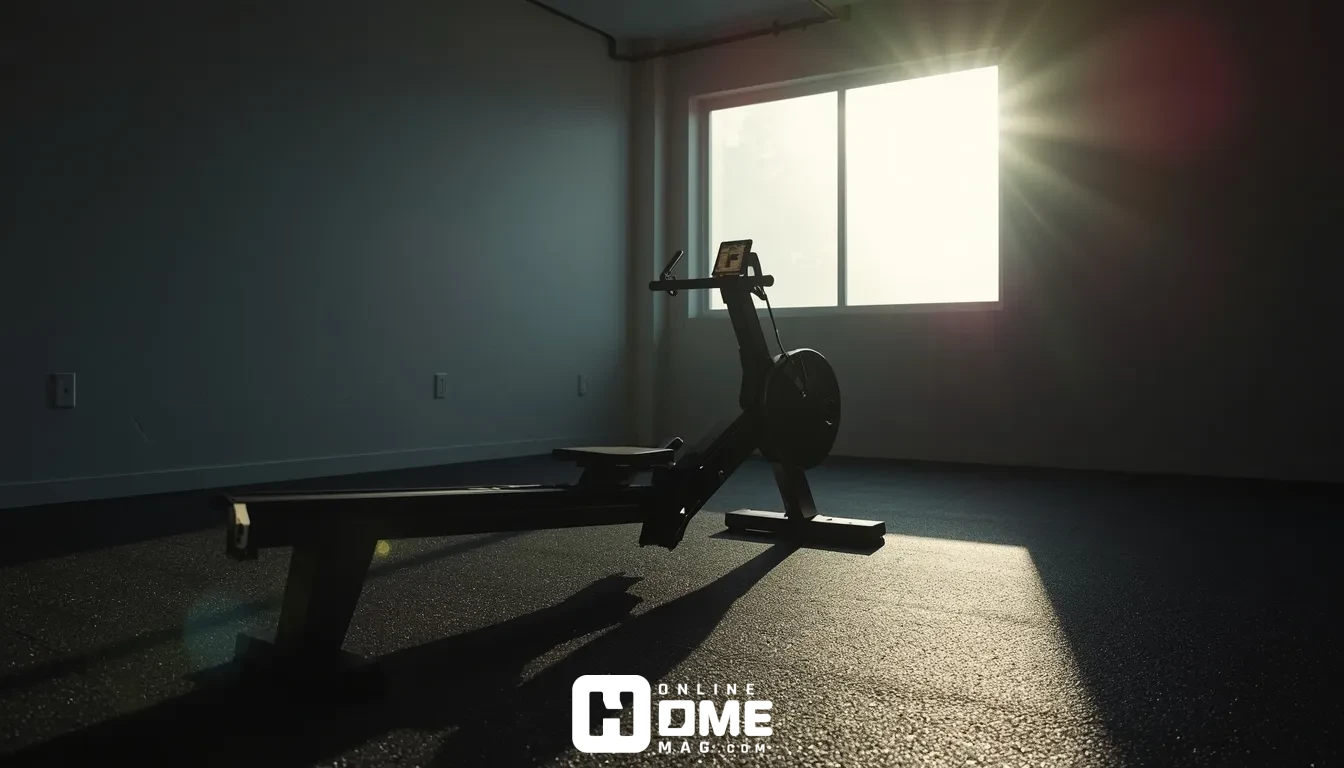
No garage gym conversion is complete without the small tools that make the biggest difference. A pull up bar (wall mounted or integrated into your rack), resistance bands, kettlebells, a foam roller, and gymnastic rings add enormous variety without eating up floor space. A wall mounted storage system for bands, jump ropes, and accessories keeps everything organized and accessible.
Step 4: Design Ideas to Elevate Your Garage Into Gym Space
Function matters, but so does atmosphere. A well designed space makes you want to train. Here are high impact design ideas that work for real garage gym conversions.
The Industrial Powerhouse
Embrace the raw character of the garage itself. Exposed concrete walls, black steel equipment, industrial pendant lighting, and metal shelving create a gritty, focused training environment. Add a large mirror on one wall to check form and visually expand the space. Keep the color palette to black, grey, and matte steel. This aesthetic is popular, highly functional, and surprisingly affordable to achieve.
The Bright and Motivating Space
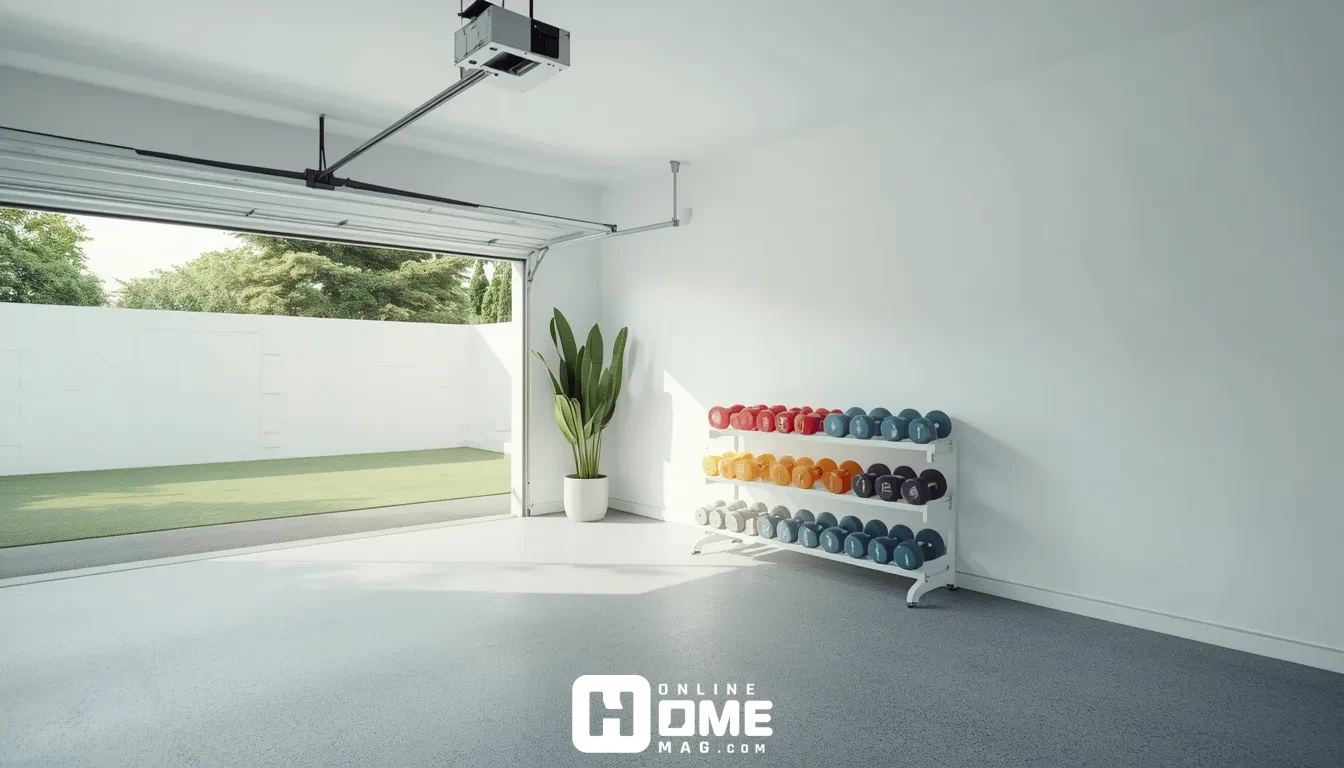
Not everyone wants dark and moody. A white or light grey painted garage with bright LED lighting, colorful rubber flooring, and vibrant accent walls creates an energizing, positive training environment. Add motivational art or a large wall decal with a quote that drives you. Keep equipment organized on wall-mounted storage. This approach makes the space feel larger and more welcoming , ideal for families or those who prefer upbeat training energy.
The Minimalist Performance Studio
Less is more. A minimalist garage gym conversion focuses on one or two equipment pieces you’ll actually use, plenty of open floor space for bodyweight and mobility work, and a clean uncluttered aesthetic. A wall mounted pull up bar, a set of adjustable dumbbells, and a foldable bench leave the majority of your floor free. Add a full wall mirror and a quality sound system, and you have a studio quality training space.
The Luxury High-Performance Garage Gym
For those who want to go all in, a luxury garage gym conversion transforms the entire space into something resembling a high end private training facility. Custom rubber flooring in a herringbone pattern, commercial grade equipment, professional lighting with dimmers, a dedicated sound system, a mini fridge for post workout nutrition, and custom cabinetry for storage all contribute to an exceptional experience. For inspiration on premium setups, exploring Luxury Home Gym Ideas can open your eyes to what’s possible when design and function merge at the highest level.
Step 5: Organization, Safety, and Final Touches
Once your garage gym conversion is equipped and designed, organization and safety tie everything together.
Mount your weight plates on a wall mounted plate tree or rack to keep them off the floor and easy to access. Use wall hooks or a pegboard system for resistance bands, jump ropes, and accessories. A whiteboard or chalkboard on one wall is a simple but powerful tool for logging workouts, tracking goals, and keeping motivation visible. Add a full length mirror for form checking, a Bluetooth speaker for music, and a small table or shelf for your phone, water bottle, and notebook. A rubber mat under your rack protects the floor from dropped weights and adds stability.
For safety, ensure your power rack is properly bolted or weighted at the base. Keep a first aid kit in the gym. Install a small fan for air circulation during intense sessions. If children have access to the space, consider a keyed entry system or equipment lock to prevent unsupervised use.

Common Mistakes to Avoid When You Convert Garage Into Gym
Many people who want to convert garage into gym space make the same avoidable mistakes. Buying too much equipment upfront is one of the biggest , start lean and add as your routine solidifies. Skipping flooring to save money leads to joint pain and damaged concrete. Ignoring insulation makes the space unusable in extreme weather. Poor lighting kills motivation fast. And buying cheap equipment that breaks under regular use ends up costing more than quality gear purchased once.
The most successful garage gym conversions are built gradually, with intention, around the specific workouts the owner actually does , not around what looks impressive online.