This guide covers everything from choosing the right foam design to installation and styling tips to transform your gaming room.
What Are Acoustic Foam Panels and Why Your Gaming Room Needs Them?
Acoustic foam panels are specialized sound-absorbing materials engineered to control mid- to high-frequency sound waves in enclosed spaces. For gaming rooms where mechanical keyboards clack, speakers blast, and voice chat echoes, these panels are game-changers that dramatically improve your gaming room acoustic environment.
Key Benefits of Acoustic Foam Panels for Gaming
Eliminate Echo & Reverb: Acoustic foam panels stop sound from bouncing between walls, giving you a cleaner, more controlled audio experience.
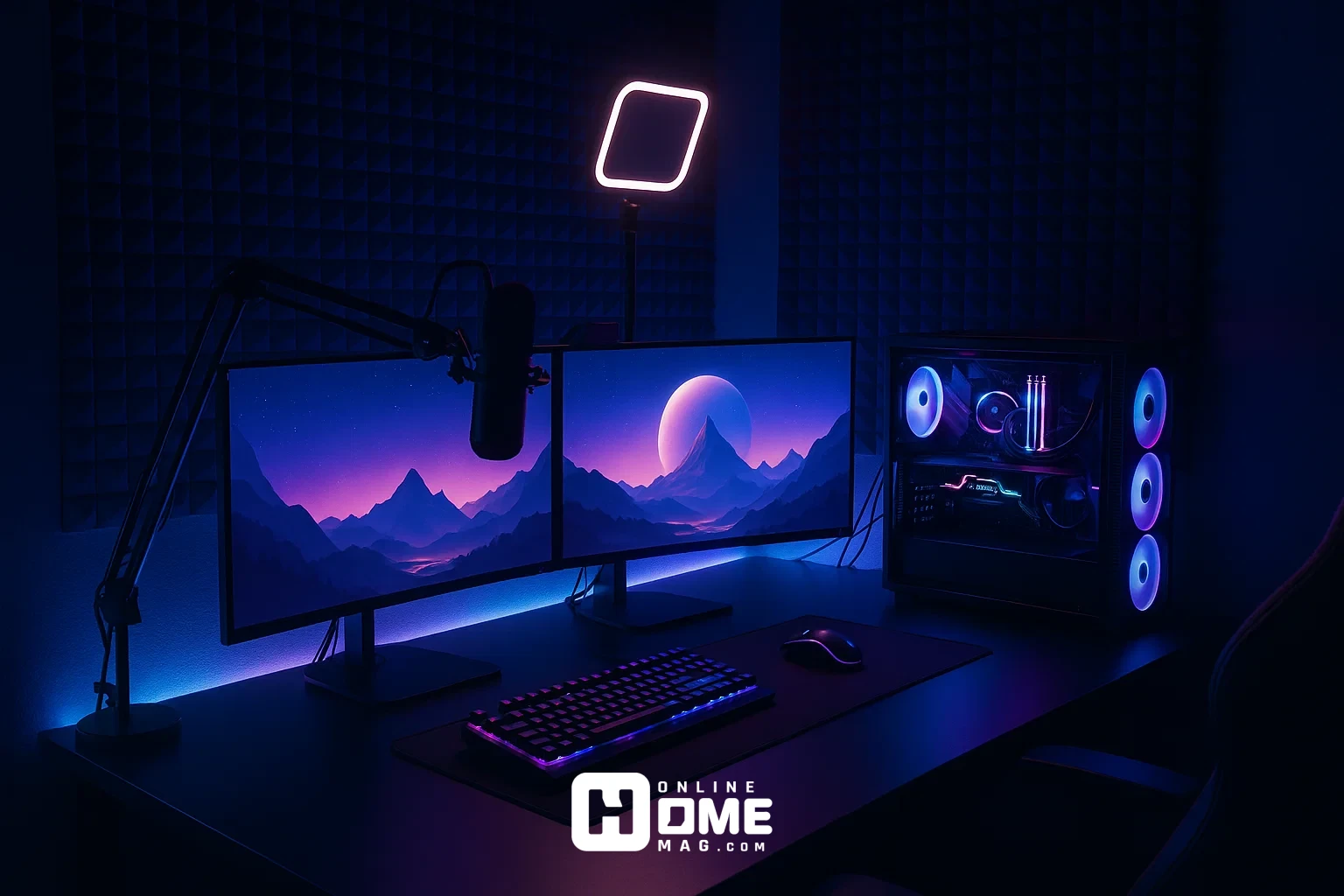
Professional Streaming Quality: They absorb background noise and echo so your mic sounds crisp and professional—perfect for content creators.
Improved Gaming Focus: A treated room with pyramid or egg-crate foam reduces audio distractions and helps you stay focused on gameplay.
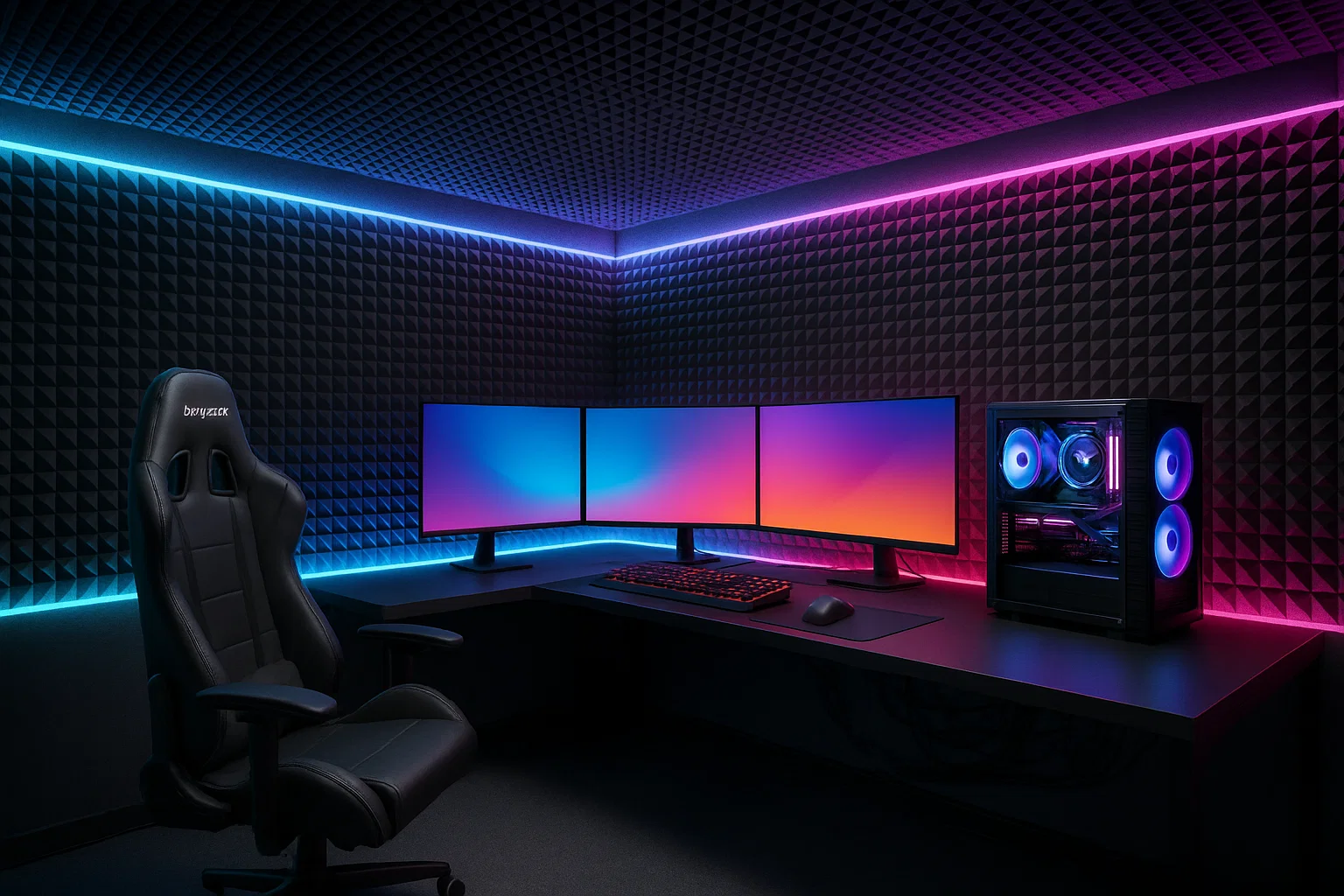
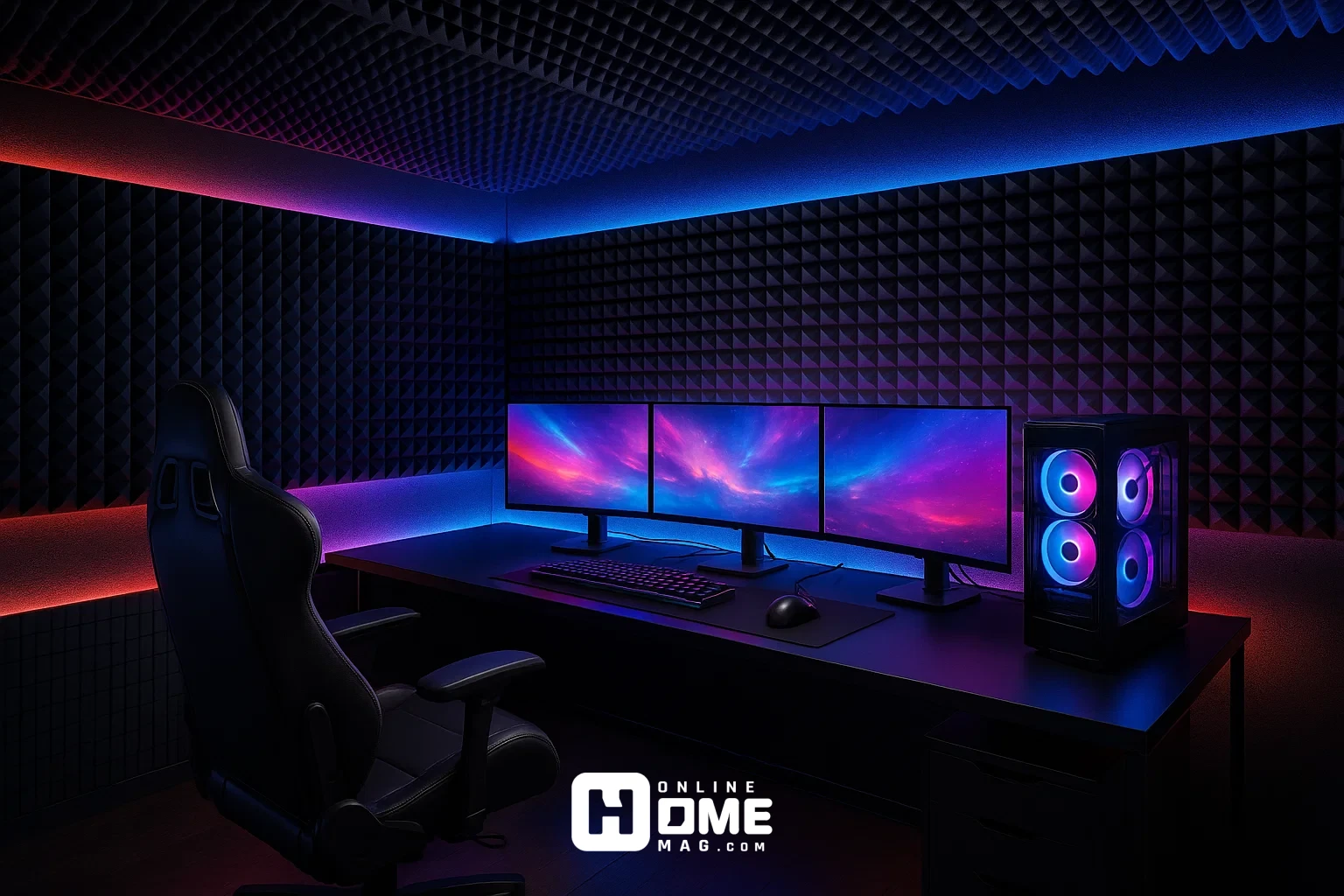
Stunning Visual Aesthetics: Especially in pyramid form, these panels add a futuristic, professional look that pairs perfectly with RGB lighting and modern setups.
Pyramid Foam Acoustic Panels: The King of Gaming Room Acoustics
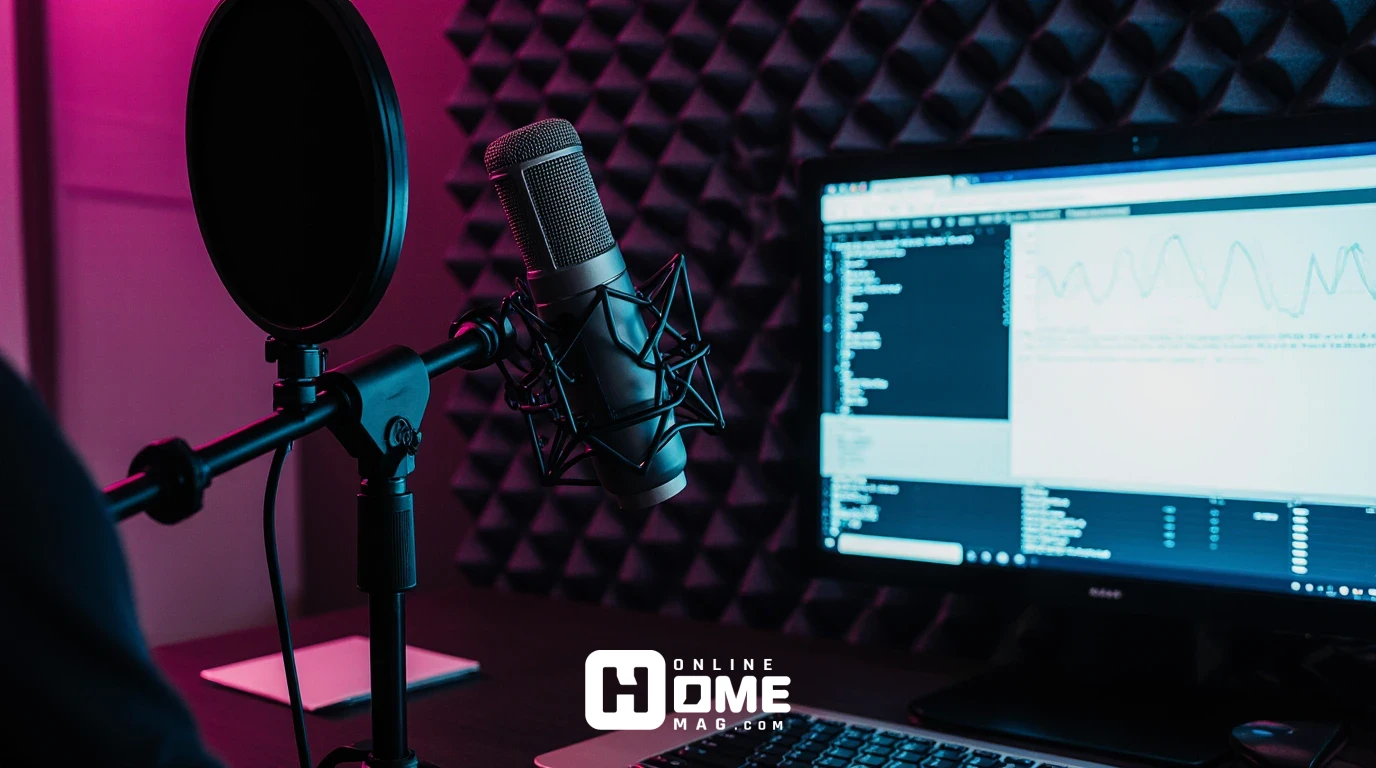
Pyramid foam features distinctive four-sided peaks arranged uniformly across the panel surface. This iconic design isn’t just for looks—pyramid foam is scientifically engineered to maximize sound absorption and diffusion, making it the top choice for serious gamers and content creators.
Technical Advantages of Pyramid Foam Panels
Maximum Surface Area for Sound Absorption: Multi-angled pyramid peaks create far more surface area than flat panels, boosting absorption efficiency and capturing sound waves from multiple directions.
Superior Sound Diffusion: Beyond absorbing, the geometric peaks scatter sound evenly to reduce harsh reflections and balance the room’s acoustics.
Ideal for High-Visibility Areas: The bold, modern look makes pyramid foam perfect for streaming backgrounds and gaming photos, pairing naturally with RGB lighting.
Better Performance with Voice Frequencies: It controls voice-range frequencies exceptionally well, giving your recordings clearer, more professional sound.
Best Placement Strategies for Pyramid Foam in Gaming Rooms
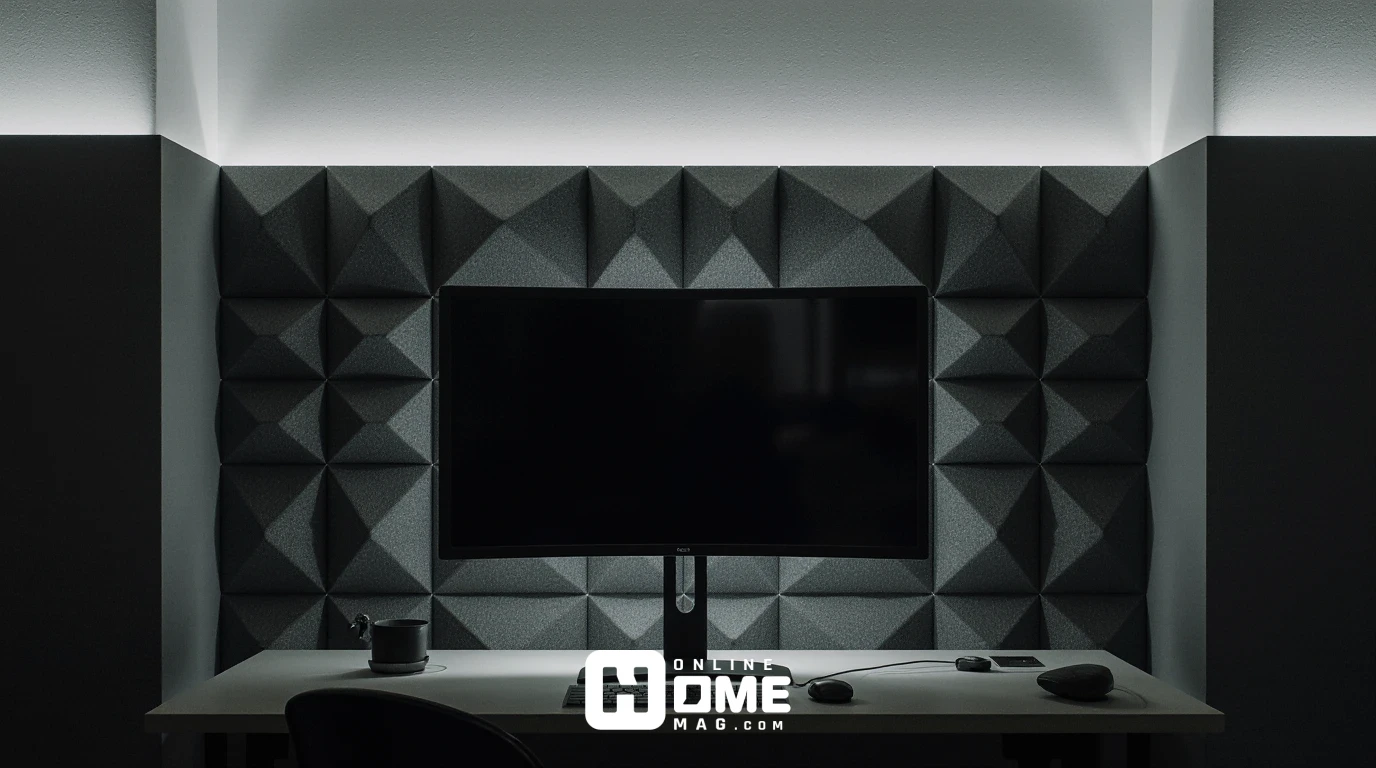
Behind Your Gaming Desk: Mount pyramid foam panels directly behind your setup as a visual and acoustic backdrop. This placement captures sound reflections from your monitor and desk area while creating an impressive background for streams.
Main Reflection Points: Place pyramid foam on walls beside your desk—these “first reflection points” are where sound bounces before reaching your ears, and treating them dramatically improves audio clarity.
Streaming Background Wall: Create a feature wall entirely covered in pyramid foam for maximum visual impact and acoustic treatment. This works especially well when combined with RGB backlighting.
Corner Bass Traps: While acoustic foam panels primarily handle mid-to-high frequencies, stacking pyramid foam in corners can provide some low-frequency absorption too.
Design & Styling Tips for Pyramid Foam Panels
RGB Integration: Pair black pyramid foam with cool-toned RGB lighting (blue, purple, cyan) for a cyberpunk aesthetic, or use warm tones (red, orange) for an aggressive gaming vibe.
Color Patterns: Create visual interest by alternating colors—black and red pyramid foam panels, black and blue, or charcoal and white—to form checkerboard or diagonal stripe patterns.
Geometric Layouts: Arrange pyramid foam panels in hexagon clusters, diamond patterns, or asymmetric designs for a more artistic approach that still maintains acoustic functionality.
Egg-Crate Acoustic Foam Panels: Budget-Friendly Gaming Room Acoustic Solution
Egg-crate foam panels feature smooth, wave-like curves that resemble—you guessed it—the inside of an egg carton. This softer, more organic design offers a different aesthetic compared to the sharp geometry of pyramid foam while still delivering excellent acoustic performance.
Why Choose Egg-Crate Acoustic Foam Panels?
Exceptional High-Frequency Dampening: Egg-crate foam excels at controlling sharp, bright sounds from speakers, headsets, and mechanical keyboards—all common in gaming rooms.
Broad Sound Wave Coverage: The curved surface of egg-crate panels captures sound waves approaching from multiple angles, providing more comprehensive coverage than flat panels.
Most Budget-Friendly Option: Egg-crate acoustic foam panels typically cost 20-30% less than pyramid foam while still offering professional-grade sound treatment for most gaming applications.
Softer Visual Aesthetic: If you prefer a less aggressive, more organic look than pyramid foam, egg-crate panels provide subtle texture without dominating your gaming room’s visual design.
Optimal Placement for Egg-Crate Foam Panels
Behind Audio Equipment: Mount egg-crate panels directly behind speakers or studio monitors to absorb sound waves before they bounce back and create muddiness.
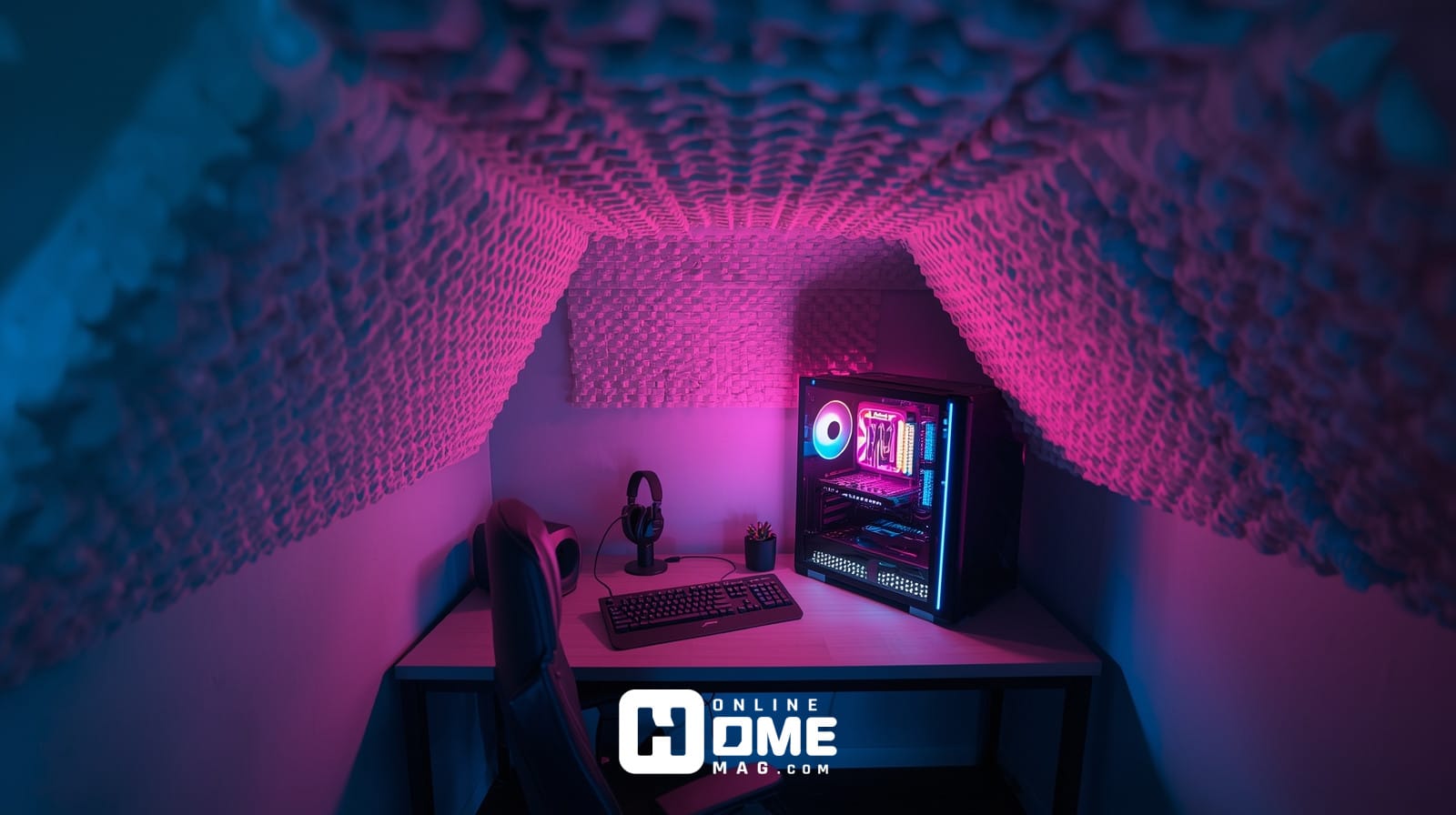
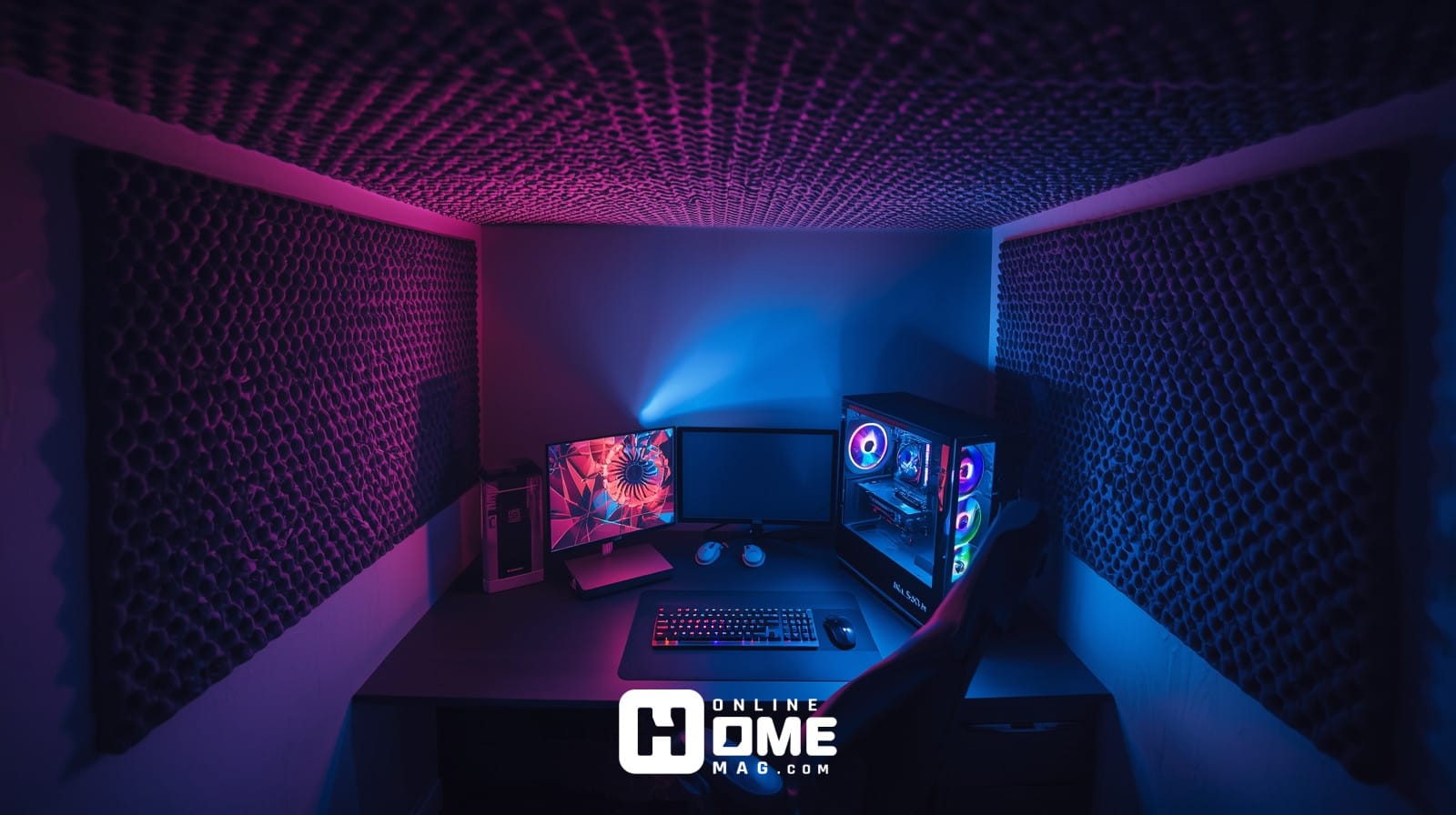
Ceiling Treatment: Gaming room acoustic treatment isn’t just about walls—ceiling-mounted egg-crate panels prevent sound from reflecting downward, especially important in rooms with low ceilings.
Microphone Zones: Surround your microphone area with egg-crate foam to create a “vocal booth effect” that dramatically improves recording quality by eliminating ambient echo.
Secondary Walls: Use egg-crate panels on less visible walls while reserving pyramid foam for your main feature wall—this saves money while maintaining full acoustic treatment.
Styling Ideas for Egg-Crate Acoustic Foam
Uniform Coverage: Install large egg-crate foam tiles to create clean, continuous coverage that provides a professional studio look without visual distraction.
LED Edge Lighting: Run LED strips around the perimeter of egg-crate panel installations for a dramatic glowing effect that highlights the wave patterns.
Mixed Texture Approach: Combine egg-crate foam with smooth acoustic panels or wood elements to create depth and visual interest in your gaming room.
Pyramid Foam vs. Egg-Crate: Which Acoustic Foam Panels Should You Choose?
| Comparison Criteria | Pyramid Foam Panels | Egg-Crate Foam Panels |
|---|---|---|
| Visual Style | Bold, modern, geometric | Soft, subtle, wave-like |
| Best For Cameras/Streaming | Excellent | Moderate |
| Sound Diffusion | Strong | Limited |
| High-Frequency Absorption | Good | Very strong |
| Vocal Recording Quality | Excellent | Good |
| Budget | Higher cost | More affordable |
| Best Placement | Main wall, background, feature wall | Ceilings, side walls, behind speakers |
| Overall Aesthetic Impact | Very high | Mild |
| Ideal User | Streamers, content creators, design-focused gamers | Budget builds, functional setups, noise-control priority |
| Overall Verdict | Best for performance + aesthetics | Best for budget + high-frequency absorption |
The Best Strategy: Combine Both Types of Acoustic Foam Panels
For optimal gaming room acoustic performance and aesthetics, use pyramid foam on your main visible wall (especially streaming backgrounds) and egg-crate foam near audio sources and on secondary surfaces. This combination approach:
- Maximizes visual impact where it matters most
- Provides comprehensive acoustic treatment throughout the room
- Saves money by using budget-friendly egg-crate foam strategically
How to Install Acoustic Foam Panels in Your Gaming Room
3M Command Strips or Foam Mounting Tape: The safest, most removable option for renters. Use heavy-duty versions rated for the weight of your acoustic foam panels.
Spray Adhesive: Provides the strongest bond for permanent installations. Choose heat-resistant varieties designed specifically for foam—brands like 3M Super 77 or Loctite Power Grab are excellent choices.
Velcro Patches: Industrial-strength Velcro allows you to remove and reposition acoustic foam panels easily, perfect for renters or those who frequently redesign their gaming rooms.
T-Pins or Thumbtacks: A quick temporary solution for testing layouts before permanent installation, though not recommended long-term as they can compress foam.
Installation Process for Acoustic Foam Panels
1. Plan your layout by arranging the panels on the floor first, taking a few photos, and lightly marking their positions on the wall.
2. Clean the wall thoroughly so the adhesive bonds properly.
3. If the wall was recently painted, let it cure for about 30 days before installation.
4. Apply a thin, even layer of adhesive to both the wall and the back of each panel, then wait briefly until it becomes tacky.
5. Press each panel firmly into place for 15–20 seconds with even pressure.
6. Let the panels set undisturbed for at least 24 hours so the adhesive reaches full strength.
Pro Installation Tips for Acoustic Foam Panels
Start from the center and work outward to maintain symmetry in your pyramid foam or egg-crate layout
Leave small gaps (1/4 inch) between panels rather than forcing them together—this prevents warping and buckling
Test adhesive on one panel first to ensure it doesn’t damage your wall’s paint or finish
Use a level when installing the first row of acoustic foam panels to prevent the entire installation from being crooked
Work in comfortable temperatures (65-75°F) for best adhesive performance
Creative Design Ideas: Making Acoustic Foam Panels Look Amazing
Acoustic foam panels aren’t just functional—they can become a standout design element in your gaming room when styled creatively. With the right layouts, lighting, and material combinations, these panels can elevate both the look and performance of your setup.
1. RGB Backlighting for Pyramid Foam Panels
Transform your acoustic foam panels from functional to phenomenal by adding RGB LED strips:
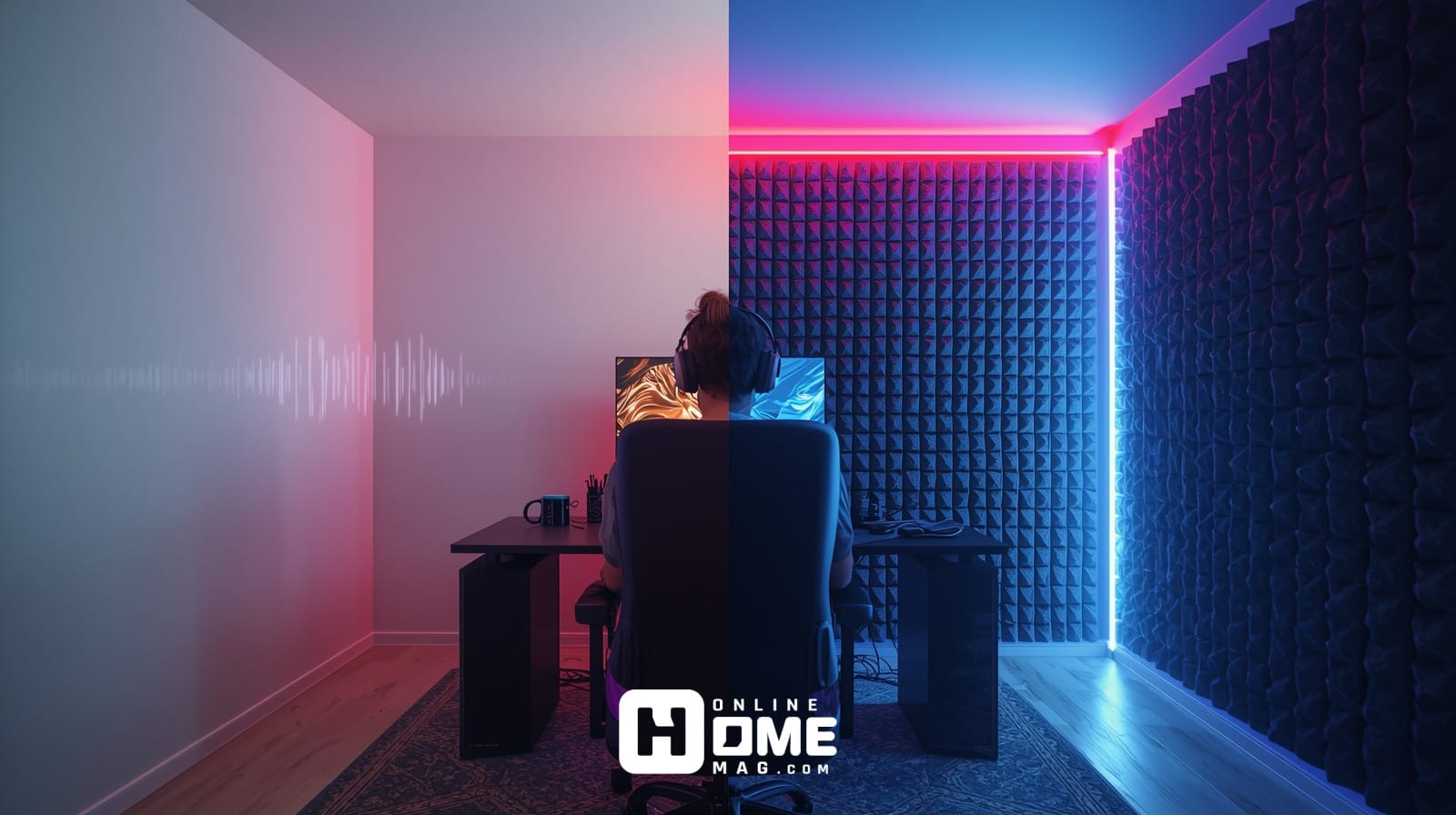
Behind Panel Borders: Install LED strips in the gap between panels and the wall, creating a floating glow effect that highlights pyramid foam geometry
Perimeter Lighting: Run RGB strips around the entire installation area, framing your acoustic foam panels like artwork
Color Synchronization: Use smart LEDs that sync with your gaming PC to change colors based on what you’re playing
Shadow Play: Angle RGB lights to cast dramatic shadows from pyramid foam peaks, creating depth and dimension
2. Pattern Layouts for Acoustic Foam Panels
Checkerboard Classic: Alternate between two colors or between pyramid foam and egg-crate panels in a grid pattern for timeless visual appeal
Diagonal Stripes: Install acoustic foam panels at 45-degree angles to create dynamic diagonal lines that draw the eye across your gaming room
Central Hexagon: Create a hexagonal cluster of pyramid foam panels as a focal point, with egg-crate or different colored panels radiating outward
Half-Wall Gradient: Cover only the lower or upper half of walls with acoustic foam panels, creating a floating effect or color-blocked design
Asymmetric Modern: Break away from grids entirely with an asymmetric layout that looks intentionally artistic while still covering acoustic problem areas
3. Mixed Material Gaming Room Acoustic Design
Don’t limit yourself to only acoustic foam panels—combine materials for maximum impact:
Wood Slat Panels: Alternate strips of pyramid foam with wooden acoustic slats for a high-end studio aesthetic
LED Wall Bars: Integrate LED tube lights between sections of acoustic foam panels for futuristic gaming room vibes
Framed Posters: Leave strategic gaps in your egg-crate or pyramid foam installation for gaming posters or art prints
3D PVC Tiles: Combine textured PVC wall panels with acoustic foam panels for varied surface interest and additional sound diffusion
Fabric Panels: Use premium fabric-wrapped acoustic panels for key areas (like behind monitors) while using more affordable pyramid foam for larger coverage areas
Acoustic Foam Panels vs. Other Sound Treatment Options
| Feature | Pyramid Foam | Egg-Crate Foam | Fabric Acoustic Panels | Bass Traps |
|---|---|---|---|---|
| Cost | Low ($1–2/sq ft) | Very Low ($0.50–1/sq ft) | Medium–High ($3–8/sq ft) | High ($50–150 each) |
| Sound Absorption | High (mid–high freq) | Medium–High (high freq) | Very High (all freq) | Excellent (low freq) |
| Aesthetic Impact | Strong, modern | Moderate, subtle | Premium, customizable | Minimal visibility |
| Installation Ease | Very Easy | Very Easy | Easy–Moderate | Moderate |
| Best Use | Main décor walls, streaming backgrounds | Ceilings, side walls, budget coverage | Professional studios, living spaces | Corners, low-frequency problems |
| Durability | Good (5–10 years) | Good (5–10 years) | Excellent (10+ years) | Excellent (10+ years) |
| Maintenance | Low (occasional dusting) | Low (occasional dusting) | Low (vacuum monthly) | Very Low |
Perfect Gaming Spaces for Acoustic Foam Panels
Home Gaming Rooms: Turn any spare room into a professional gaming space with proper acoustic treatment.
Streaming Studios: A must-have for Twitch or YouTube creators who need clean audio and a polished background.
PC Battlestations: Pyramid foam enhances both the look and sound of desktop setups.
Console Gaming Lounges: Egg-crate panels help reduce TV echo and improve clarity.
Esports Team Houses: Commonly used across practice rooms for consistent, controlled acoustics.
Home Theater Gaming Rooms: Ideal for rooms that combine gaming with movie watching for immersive sound.
VR Gaming Areas: Helps control noise and echo created by movement-heavy VR gameplay.
Music Production Gaming Hybrids: Perfect for gamers who also record or mix music and need solid acoustic control.
Transform Your Gaming Room with Acoustic Foam Panels Today
Acoustic foam panels—whether you choose eye-catching pyramid foam for your streaming background or budget-friendly egg-crate for wider coverage—are valuable upgrades for any serious gaming room. They combine effective acoustic control with a polished visual look that elevates your setup to a professional level.
Their impact goes beyond cleaner sound; they help create a more immersive environment where audio is clearer, streams look better, and your gaming space feels more refined. From reducing echo to enhancing your background, pyramid and egg-crate foam panels make a noticeable difference.