
Why You Need a Stove and Oven Cleaner
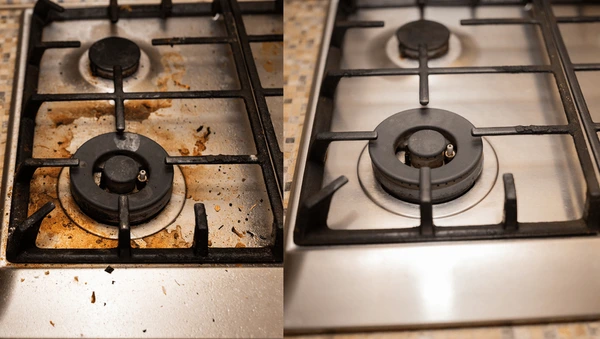
A greasy stove is one of the most common kitchen problems, especially after frequent cooking. Over time, oil splatters, food residue, and spills build up on burners and surfaces, making your stove look dirty and even affecting its performance. Using the right techniques and products is essential for a thorough, streak-free clean.
Start by removing all detachable parts, such as burner grates, drip pans, and knobs. Soak them in hot, soapy water for 15–30 minutes to loosen grease. For stubborn buildup, you can use a paste made of baking soda and water or a gentle degreaser. Scrub the parts with a soft brush or sponge, rinse thoroughly, and allow them to dry completely before reassembling.
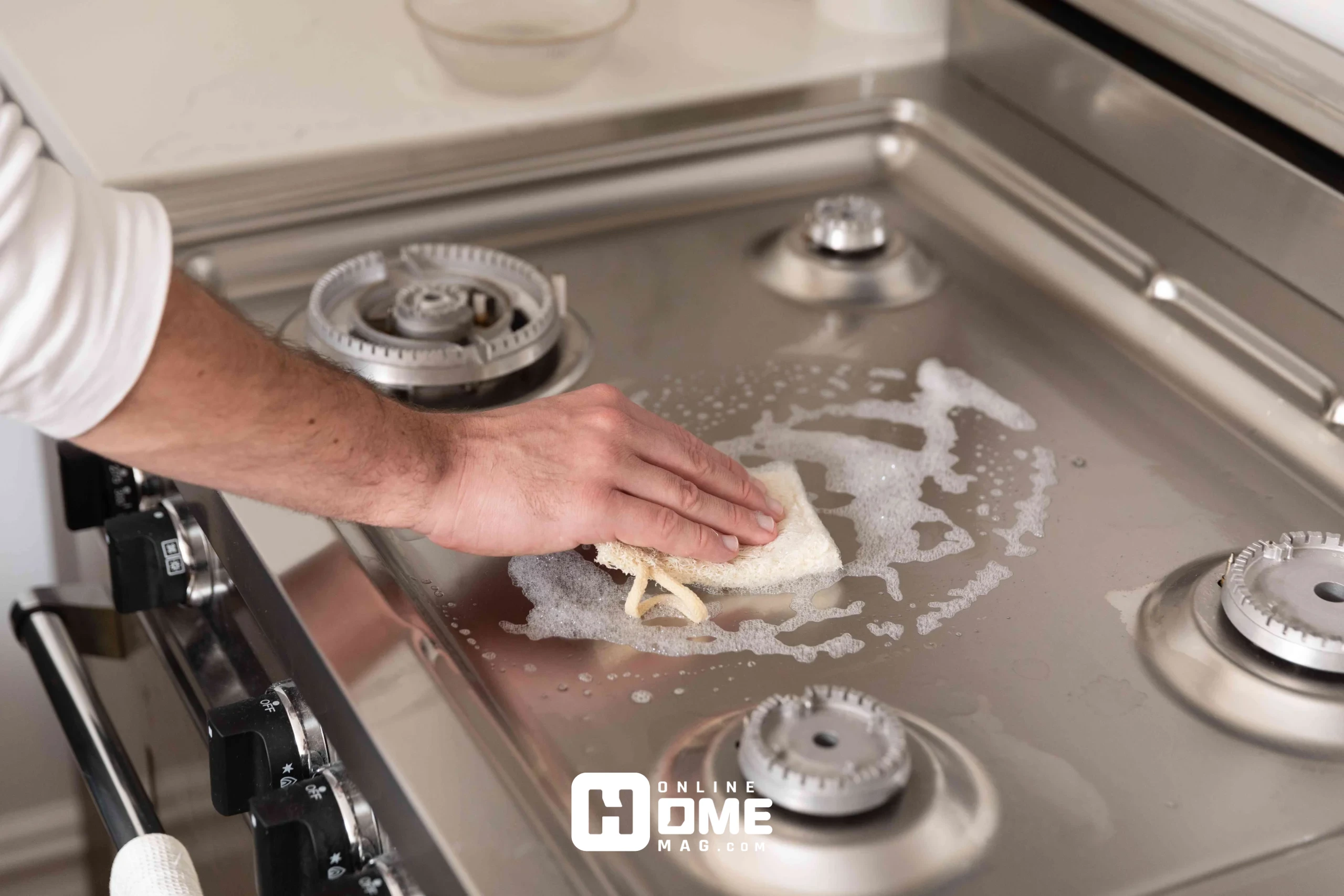
Next, focus on the stove surface. Spray a high-quality stove and oven cleaner evenly over greasy areas, letting it sit for a few minutes to break down oil and grime. Use a microfiber cloth or non-abrasive sponge to wipe away loosened residue. For tight spots or corners, a toothbrush or small brush can be helpful.
Finally, wipe the entire surface with a damp cloth to remove any remaining cleaner, then dry with a soft towel. Regular cleaning prevents grease from building up, keeping your stove safe, hygienic, and visually appealing.
For more detailed guidance on tackling tough grease, check out this full guide on how to clean a greasy stove.
Types of Stove and Oven Cleaners
Types of Stove and Oven Cleaners
There are several types of stove and oven cleaners, each designed to tackle specific cleaning challenges. Understanding the differences can help you choose the most effective product for your kitchen.
Sprays and Liquids: These are versatile and easy to apply, ideal for removing grease, spills, and light baked-on residue. They work well on both stove tops and the inside of ovens.
Gels and Creams: Thicker formulas cling to vertical surfaces, making them perfect for ovens with heavy buildup. They gradually break down grease and baked-on food, reducing scrubbing effort.
Wipes and Towelettes: Convenient for quick cleaning, wipes are pre-soaked with a cleaning solution and are great for surface-level spills or daily maintenance.
Natural or Eco-Friendly Cleaners: Made from plant-based or non-toxic ingredients, these cleaners are safer for households with pets or children. They may require more elbow grease but are effective for routine cleaning without harsh chemicals.
By selecting the right type of cleaner for your specific stove and oven, you can save time, protect your appliances, and achieve a spotless, hygienic kitchen.
Types of Stove and Oven Cleaners:
| Type of Cleaner | Description | Best Use | Pros | Cons |
| Sprays & Liquids | Versatile liquid formulas | Removing grease, spills, light baked-on residue | Easy to apply, works on stove tops and oven interiors | May require more effort for heavy buildup |
| Gels & Creams | Thick, clingy formulas | Ovens with heavy grease or baked-on food | Reduces scrubbing, adheres to vertical surfaces | Slower to work, may need rinsing |
| Wipes & Towelettes | Pre-soaked disposable wipes | Quick surface cleaning | Convenient, easy to use, ideal for daily maintenance | Less effective on tough stains, generates waste |
| Natural / Eco-Friendly | Plant-based or non-toxic ingredients | Routine cleaning | Safe for pets and children, gentle on surfaces | May require more elbow grease, less potent on heavy grease |
How to Clean Your Oven Safely
Cleaning your oven safely is essential to protect both the appliance and yourself. Using the right stove and oven cleaner along with proper safety precautions ensures a thorough clean without damaging surfaces or inhaling harmful fumes.
Start by removing oven racks, trays, and any loose debris. For a chemical cleaner, wear gloves and ensure the kitchen is well-ventilated. Spray or apply the cleaner evenly, focusing on areas with baked-on grease or spills. For gel or cream cleaners, allow the product to sit for the recommended time so it can break down tough residue.
Avoid using metal scrubbers or harsh abrasives, as they can scratch enamel surfaces. After cleaning, wipe the interior with a damp cloth or sponge to remove any leftover cleaner. For natural cleaners, like a baking soda paste, apply it evenly, let it sit for several hours, then wipe off with a damp cloth. For stubborn stains, you can also learn how to Remove Burnt-On Food from Glass Stove surfaces using safe and effective methods. Finally, clean the oven racks separately in warm, soapy water or with a dedicated rack cleaner. Reassemble the oven only when all parts are dry. Following these steps ensures your oven is hygienic, streak-free, and ready for safe cooking.
How to Clean Your Stove Top
How to Clean Your Stove Top
Keeping your stove top spotless is an essential part of stove and oven cleaner routines. For glass surfaces, proper care is key to maintaining shine and preventing scratches. Many homeowners ask, How to Clean a Glass Stovetop safely without leaving streaks or damaging the surface.
Start by removing any removable burner grates or knobs. Wipe away loose debris with a soft cloth or paper towel. For grease and spills, apply a specialized stove and oven cleaner or a mixture of baking soda and water directly to the surface. Allow it to sit for a few minutes to break down baked-on residue.
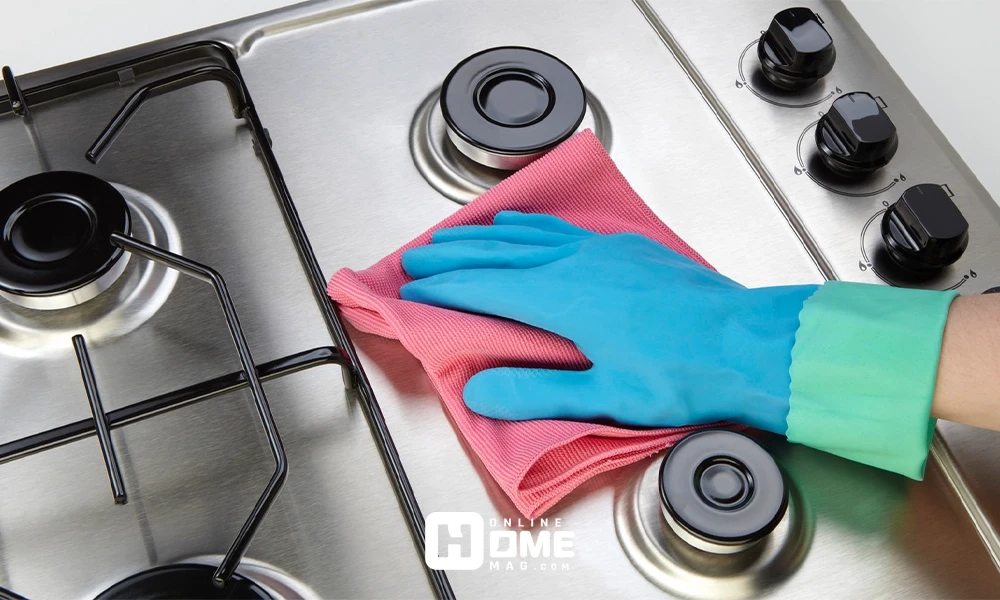
Next, use a non-abrasive sponge or soft cloth to gently scrub the glass, avoiding any harsh tools that could scratch it. For persistent spots, a razor scraper designed for glass stovetops can be used carefully at a low angle. After cleaning, wipe the entire surface with a damp microfiber cloth to remove any leftover residue and buff for shine.
Finally, replace all grates and knobs once the stove is completely dry. For regular maintenance, understanding How to Clean a Glass Stovetop effectively will keep your appliance looking brand-new and ensure a hygienic cooking surface.
Natural vs. Chemical Stove and Oven Cleaners
When choosing a stove and oven cleaner, it’s important to understand the difference between natural and chemical options. Each has its benefits and is suited for different cleaning needs.
Natural cleaners are made from plant-based or non-toxic ingredients like vinegar, baking soda, or lemon juice. They are safer for households with pets or children and are environmentally friendly. While they may require more effort for heavy grease or baked-on residue, they are effective for routine maintenance and light cleaning, leaving your stove and oven hygienic without harsh chemicals.
Chemical cleaners, on the other hand, are formulated to tackle tough grease, burnt-on food, and stubborn stains. They often work faster than natural solutions and require less scrubbing, making them ideal for professional use or heavily soiled ovens. However, many chemical cleaners contain strong ingredients that require gloves, proper ventilation, and careful handling to avoid irritation or surface damage.
For the best results, many homeowners use a combination of both approaches: natural cleaners for regular maintenance and chemical cleaners for occasional deep cleaning. Choosing the right stove and oven cleaner for your needs ensures efficient cleaning while protecting both your appliances and your health.
How to Remove Tough, Baked-On Grease
Tough, baked-on grease can make your stove and oven look grimy and affect cooking performance if not addressed properly. Using the right stove and oven cleaner along with proper techniques ensures that even the most stubborn residues are removed safely.
Start by applying a high-quality cleaner directly to the greasy areas. Gel or cream-based cleaners are particularly effective for baked-on grease because they cling to vertical surfaces, breaking down the hardened residue over time. Let the cleaner sit for the recommended period, usually 10–15 minutes, to soften the grime.
Next, use a non-abrasive sponge, cloth, or soft brush to gently scrub the surface. For extremely stubborn spots, a razor scraper designed for stovetops can be used carefully at a low angle to avoid scratches. Avoid using metal scrubbers or harsh abrasives that could damage the surface.
For ovens, you can also create a paste using baking soda and water, applying it to greasy areas and letting it sit for a few hours before scrubbing. After all residue has been removed, wipe the surface thoroughly with a damp cloth and dry it to prevent streaks or water spots.
Regular maintenance with the right stove and oven cleaner prevents grease buildup, making future cleaning faster and keeping your appliances looking lik

e new.
Tips for Maintaining a Clean Stove and Oven
Maintaining a clean stove and oven is easier when you adopt simple daily and weekly habits, combined with the right stove and oven cleaner. Regular care prevents buildup and reduces the need for heavy scrubbing.
Start by wiping down spills immediately after cooking. Using a damp microfiber cloth with a mild cleaner prevents grease from hardening. For daily maintenance, light sprays or wipes specifically formulated for stoves keep surfaces shiny and hygienic.
Clean removable parts like burner grates, knobs, and drip pans weekly with warm soapy water or a gentle cleaner. For ovens, consider using self-cleaning features cautiously and only in combination with suitable cleaners to avoid damage.
Avoid letting grime sit for long periods, as baked-on residue is much harder to remove. Additionally, avoid harsh abrasives that can scratch surfaces. Regularly inspect your stove and oven for signs of spills or stains and treat them promptly.
By integrating these simple practices with the right stove and oven cleaner, you can maintain a spotless, hygienic kitchen, extend the lifespan of your appliances, and make future deep cleaning much easier.
Common Mistakes to Avoid
Even when using a reliable stove and oven cleaner, there are common mistakes that can reduce cleaning effectiveness or even damage your appliances. Being aware of these pitfalls ensures a safer and more efficient cleaning routine.
One frequent mistake is using harsh abrasives or metal scrubbers on delicate surfaces, such as glass stovetops or enamel ovens. These tools can scratch and permanently damage the finish. Another is neglecting to remove detachable parts like grates, drip pans, and knobs before cleaning; this can trap grease and grime, making the job harder.
Overusing chemical cleaners is another common error. While effective, excessive application can leave residue, produce strong fumes, and potentially damage surfaces. Conversely, using water alone or general-purpose household cleaners may be ineffective on baked-on grease and spills.
Finally, skipping protective gear such as gloves and proper ventilation can pose safety risks when handling chemical-based stove and oven cleaners.
By avoiding these mistakes, you can clean more efficiently, maintain your appliances’ appearance, and ensure a safe kitchen environment for you and your family.