
🕓 Last updated: September 14, 2025
Why Is Air Conditioner Cleaning So Important?
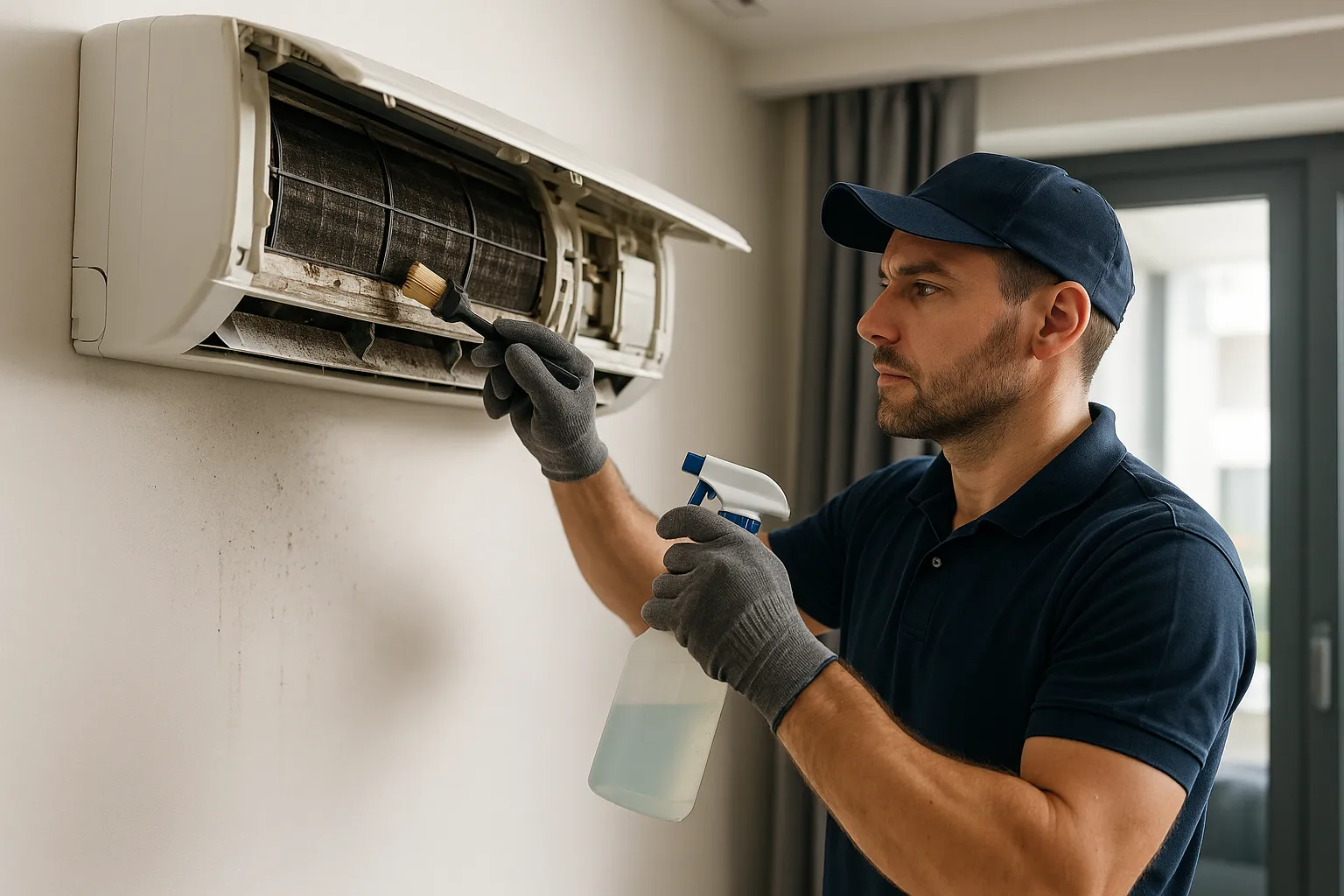
Air Conditioner Cleaning is crucial because air conditioners filter and circulate air constantly, and over time, dirt, dust, mold, and allergens build up inside the system. Without regular cleaning, you may face:
- Reduced cooling efficiency
- Higher energy bills
- Unpleasant odors
- Poor indoor air quality
- Risk of system failure or expensive repairs
Simply put, clean air conditioners run smoother, cooler, and healthier.
Signs Your Air Conditioner Needs Cleaning
Before we jump into how to clean it, let’s identify when your AC might need a thorough cleaning:
- Weak airflow
- Strange or musty smells
- Water leakage or condensation
- Unusual noises
- Visible dust on vents or filters
- Spikes in energy consumption
If you’re noticing any of these symptoms, it’s time to take action.
Types of Air Conditioners and Cleaning Requirements
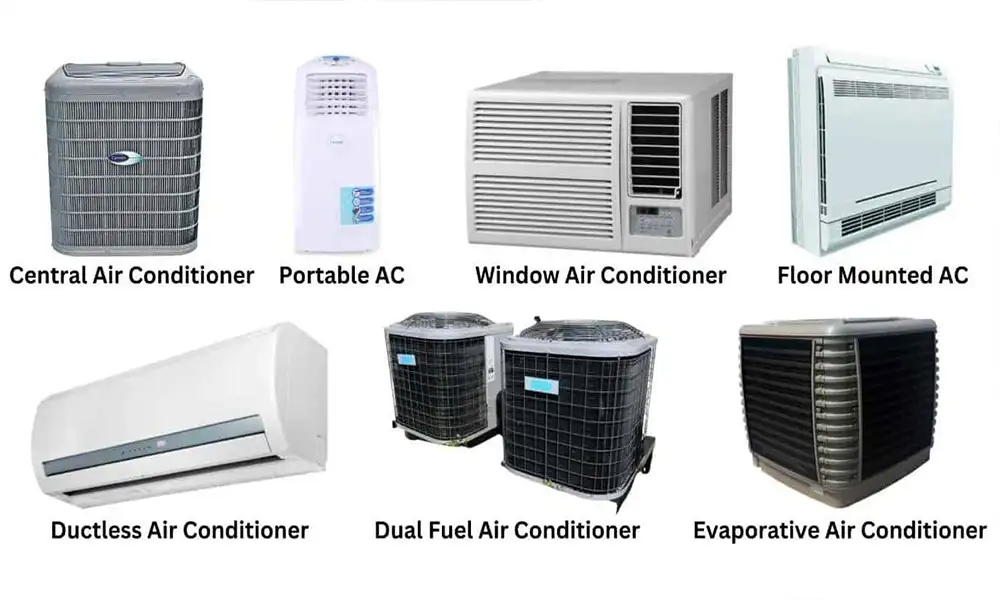
Different air conditioners have unique cleaning procedures. Here’s an overview of common types:
| AC Type | Components to Clean |
| Split System AC | Indoor unit filters, evaporator coils, fan; outdoor condenser |
| Window AC | Filter, coils, fins, and drainage system |
| Central Air (HVAC) | Air ducts, blower fan, evaporator/condenser coils |
| Portable AC | Filter, exhaust hose, drainage tank |
| Mini-Split (Ductless) | Indoor head unit and outdoor condenser |
Knowing your unit helps you clean it correctly and safely.
Tools You’ll Need for Air Conditioner Cleaning
To clean an AC unit properly, gather the following tools and materials:
- Screwdriver (for accessing internal parts)
- Soft brush or coil cleaning brush
- Vacuum cleaner with hose attachment
- Mild detergent or coil cleaner spray
- Microfiber cloths
- Fin comb (for condenser fins)
- Bucket and sponge
- Spray bottle with water or vinegar mix
- Compressed air (optional, for electronics or tight spaces)
How to Clean a Split Air Conditioner (Indoor Unit)
Split ACs are common in homes and offices. Here’s how to clean the indoor wall-mounted unit:
- Step 1: Turn Off the Power
Always switch off the unit and unplug it to avoid accidents. - Step 2: Open the Front Panel
Lift the panel gently. Most snap open without tools. - Step 3: Remove and Wash Filters
Take out the air filters. Rinse with warm water and mild soap, then let them dry completely. - Step 4: Clean Evaporator Coils
Spray with a coil cleaner or use a damp cloth to wipe away dust. Avoid harsh scrubbing. - Step 5: Clean the Blower Fan
Use a soft brush and vacuum to gently remove debris from the blower wheel. - Step 6: Wipe the Outer Casing
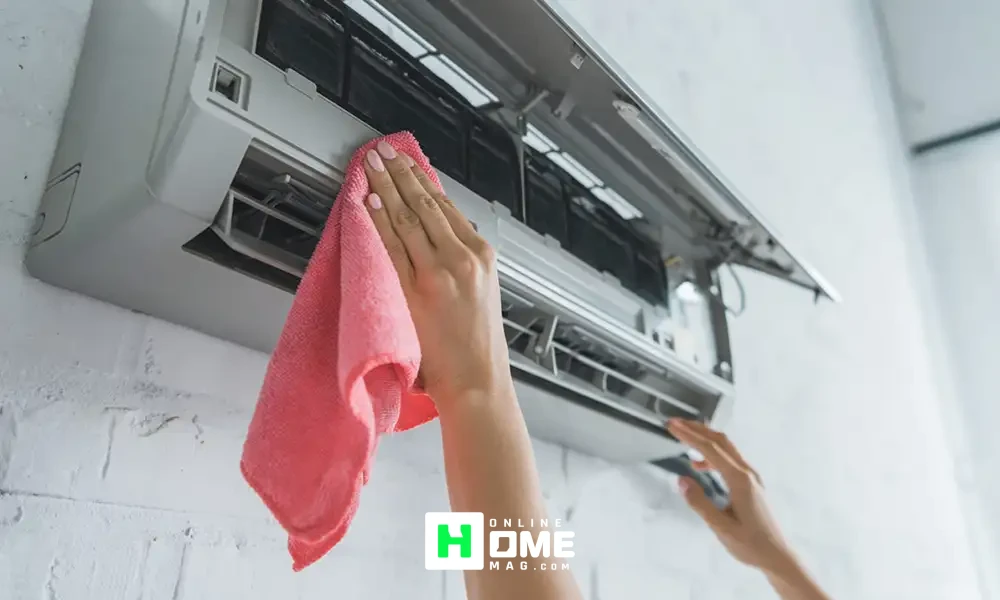
Use a damp microfiber cloth to clean the exterior.
Frequency: Clean filters every 2–4 weeks; deep clean the coils every 3–6 months.
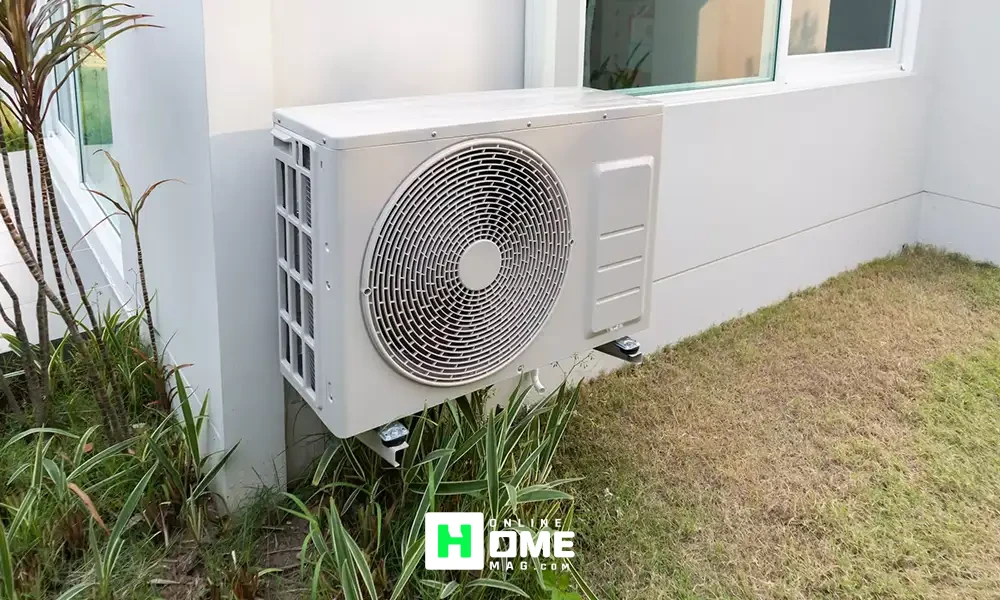
How to Clean a Split Air Conditioner (Outdoor Unit)
The outdoor condenser unit also requires cleaning for maximum efficiency.
- Step 1: Power Down
Turn off the power from the main electrical box. - Step 2: Clear Surrounding Debris
Remove leaves, twigs, or dirt around the unit. - Step 3: Vacuum the Fins and Coils
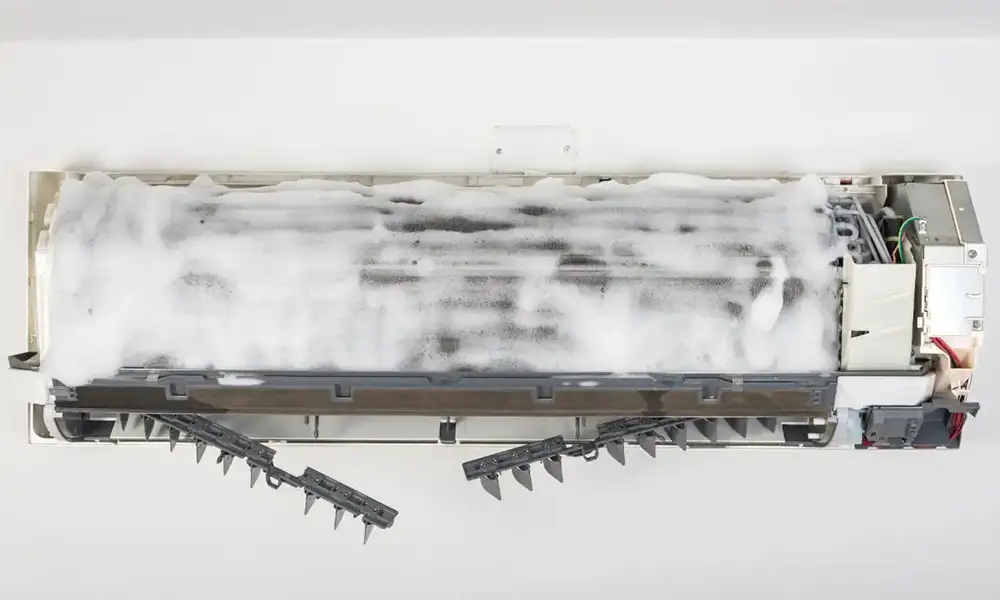
Use a vacuum with a soft brush to remove buildup. - Step 4: Spray with Coil Cleaner
Apply foaming coil cleaner. Let it sit for 10–15 minutes, then rinse with a garden hose. - Step 5: Straighten Bent Fins
Use a fin comb to straighten damaged fins for better airflow.
Frequency: Clean the condenser unit every 6 months or after heavy weather.
How to Clean a Window Air Conditioner
- Step 1: Unplug the Unit
Remove the AC from the window if possible. - Step 2: Remove the Front Grille
Unscrew or snap off the front panel. - Step 3: Clean the Filter
Wash the filter with warm soapy water. - Step 4: Vacuum the Interior
Use a vacuum to clean coils and internal dust. - Step 5: Clean the Drain Holes
Ensure that the drainage system is not clogged. - Step 6: Clean the Coils
Spray with a coil cleaner and wipe gently.
Let the unit dry completely before reinstallation.
How to Clean a Portable Air Conditioner
- Step 1: Disconnect Power
Unplug and move the unit to a cleaning area. - Step 2: Clean the Air Filter
Remove and rinse the filter thoroughly. - Step 3: Empty the Water Tank
If your AC has a reservoir, drain any collected water. - Step 4: Clean the Exhaust Hose
Use a vacuum and soft cloth to remove lint or dust buildup. - Step 5: Wipe Exterior
Use a cloth with mild detergent to wipe down the casing.
Frequency: Every 2–4 weeks for the filter, and monthly for the rest.
Air Duct Cleaning for Central Air Conditioners
Dirty ducts can reduce efficiency and spread dust through your home.
Steps:
- Turn off the HVAC system.
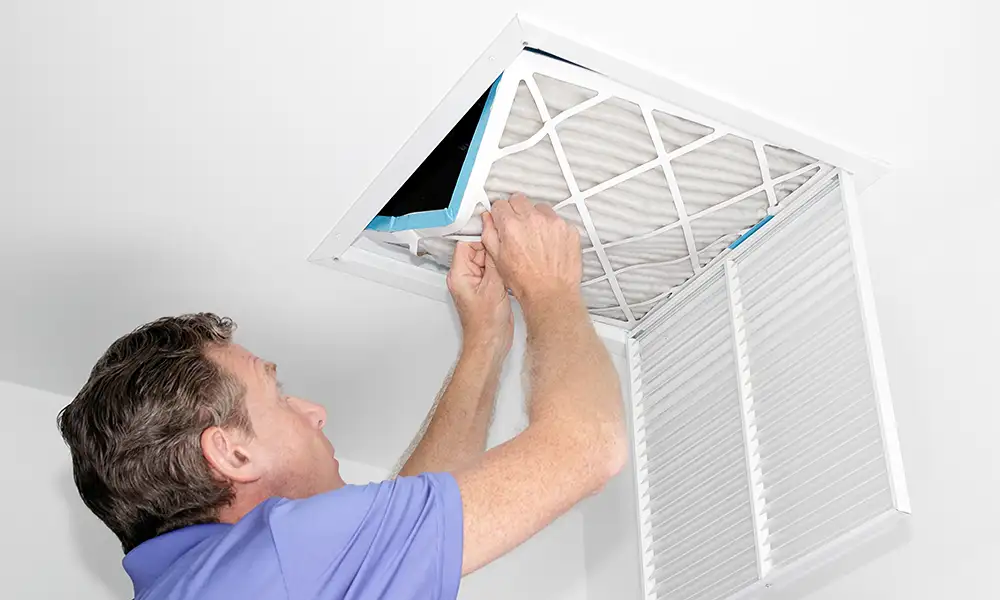
- Remove vent covers and wash them.
- Use a vacuum hose to clean duct openings.
- For deep duct cleaning, consider hiring a professional.
While you can handle basic maintenance, deep ductwork cleaning is best done every 3–5 years by certified experts.
DIY Coil Cleaner: Safe and Effective Recipe
Want a homemade coil cleaner? Try this gentle DIY solution:
- 1 cup warm water
- 1 tablespoon dish soap
- 1 tablespoon white vinegar
Mix in a spray bottle. Spray directly onto the coils, let sit for 5–10 minutes, and gently wipe with a soft cloth.
This is ideal for people who prefer non-toxic and cost-effective solutions.
How Often Should You Clean Your Air Conditioner?
Here’s a recommended cleaning schedule:
| Component | Cleaning Frequency |
| Air Filters | Every 2–4 weeks |
| Indoor Unit Coils | Every 3–6 months |
| Outdoor Unit Coils | Twice a year |
| Drainage Line/Tank | Monthly |
| Exhaust Hose (Portable) | Monthly |
| Ductwork (Central AC) | Every 3–5 years (professionally) |
Regular upkeep helps your unit last longer and perform better.
Benefits of Regular Air Conditioner Cleaning
Investing time in AC cleaning leads to multiple advantages:
- Improved cooling performance
- Better indoor air quality
- Lower electricity bills
- Extended equipment lifespan
- Reduced risk of breakdowns
It’s a simple habit with major long-term rewards.
What Happens If You Don’t Clean Your AC?
Neglecting AC maintenance can result in:
- Mold buildup and health risks
- Overheating or short-cycling
- Frozen coils and system shutdown
- Expensive repair or full replacement
Avoid these by adopting a proactive cleaning schedule.
Professional vs. DIY: When to Call the Experts
While many cleaning tasks are DIY-friendly, some situations require a pro:
Call a technician if:
- Cooling has drastically decreased
- Water is leaking or pooling
- There’s visible mold inside the unit
- You suspect refrigerant issues
Annual professional servicing can include deep cleaning, refrigerant checks, and system diagnostics.
Eco-Friendly AC Cleaning Tips
Want to reduce your environmental footprint while cleaning?
- Use biodegradable cleaners
- Skip bleach and ammonia-based products
- Use washable filters instead of disposables
- Recycle any removed components properly
Green cleaning can be just as effective and much safer for your home.
Common Mistakes to Avoid
- Forgetting to unplug the unit
- Using high-pressure water on coils
- Over-saturating filters or electronics
- Skipping filter cleaning
- Using bleach on aluminum parts
Avoid these mistakes to prevent costly damage or inefficiency.
Final Thoughts: Clean Air Conditioner, Clean Air
Cleaning your air conditioner isn’t just about comfort—it’s essential for health, efficiency, and savings. Whether you’re wiping down a mini-split or vacuuming central air ducts, the effort pays off in better performance and cleaner air.
Don’t wait until your AC breaks down. Make air conditioner cleaning a regular part of your home maintenance routine and enjoy fresher, cooler air all year long.